Cold snaps have a way of exposing every weak spot in a vehicle. What feels fine in mild weather can turn into hard starts, noisy steering, and sketchy stopping distances once temps drop below freezing.
1. Inspect Your Battery Before Cold Mornings Arrive
Batteries lose cranking power as the temperature drops, just when your engine needs more effort to turn over. Slow cranking, dim interior lights while starting, or needing a jump more than once are all strong hints that the battery is on its way out.
Our technicians often recommend a quick electrical check before winter, especially if the battery is more than three years old. A proper load test shows whether it can still deliver enough power in the cold, and a simple inspection can catch loose or corroded terminals that would leave you stuck even with a healthy battery.
2. Check Coolant Strength And The Overall Cooling System
Coolant does more than keep the engine from overheating. In winter, it also has to prevent the liquid in the block and radiator from freezing, which can crack expensive parts if protection is weak. Old coolant loses both anti-freeze protection and corrosion inhibitors, so a quick test of its strength before winter is time well spent.
The coolant reservoir should be between the minimum and maximum marks, and the color should look consistent, not muddy or rusty. Hoses that feel very soft, swollen, or heavily cracked at the ends are more likely to split when temperatures swing from cold to hot on a long drive. Catching a small seep at the water pump, radiator, or hose connection now helps you avoid steam on the side of the road when you are counting on the heater.
3. Make Sure Your Tires And Brakes Are Ready For Slippery Roads
Frozen pavement, frost, and road salt all cut traction long before you see actual snow or ice. Tires with shallow tread or uneven wear take longer to stop and are easier to lock up, even with ABS. Tire pressures also drop as the temperature falls, so a set that was fine in October can be several pounds low by January.
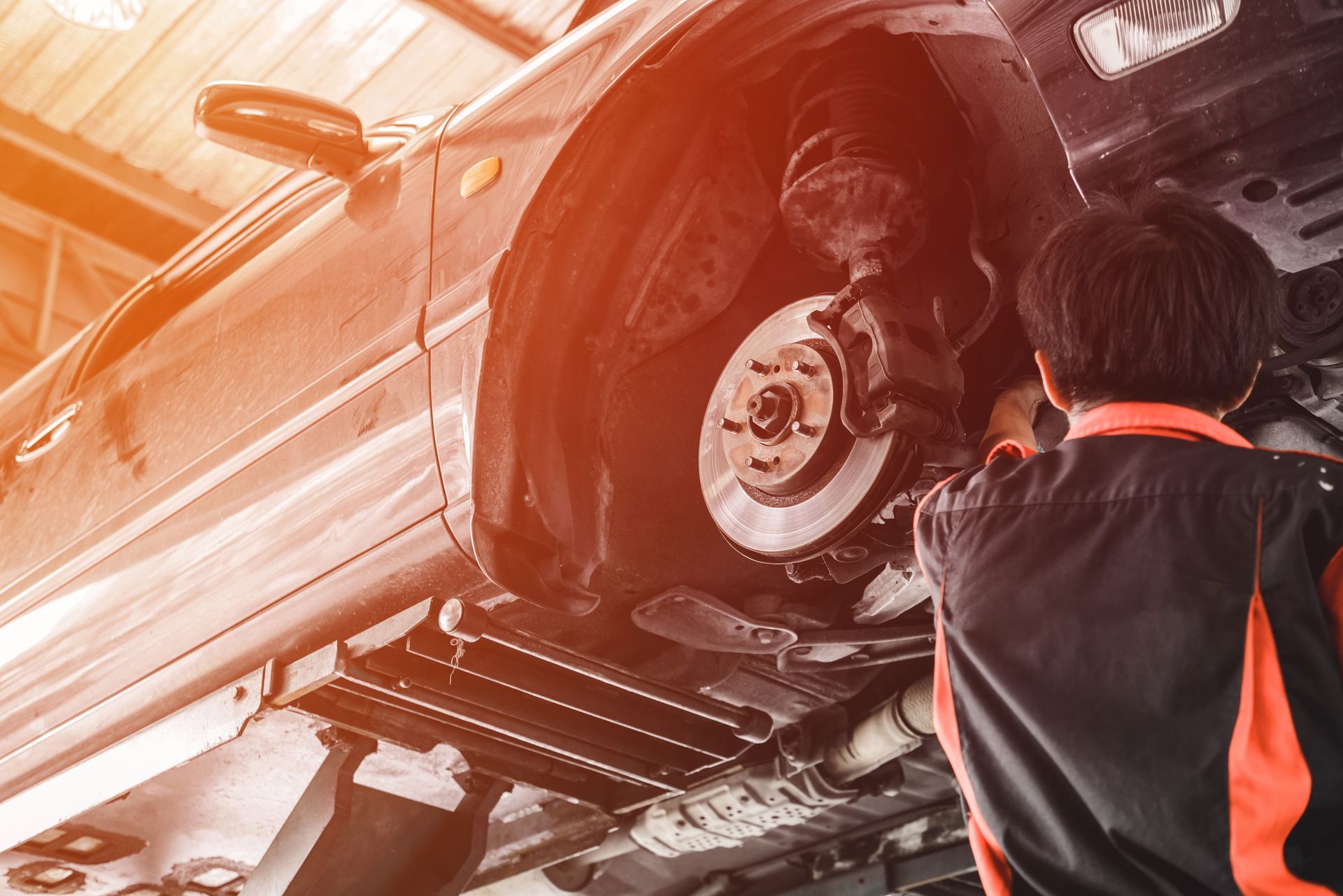
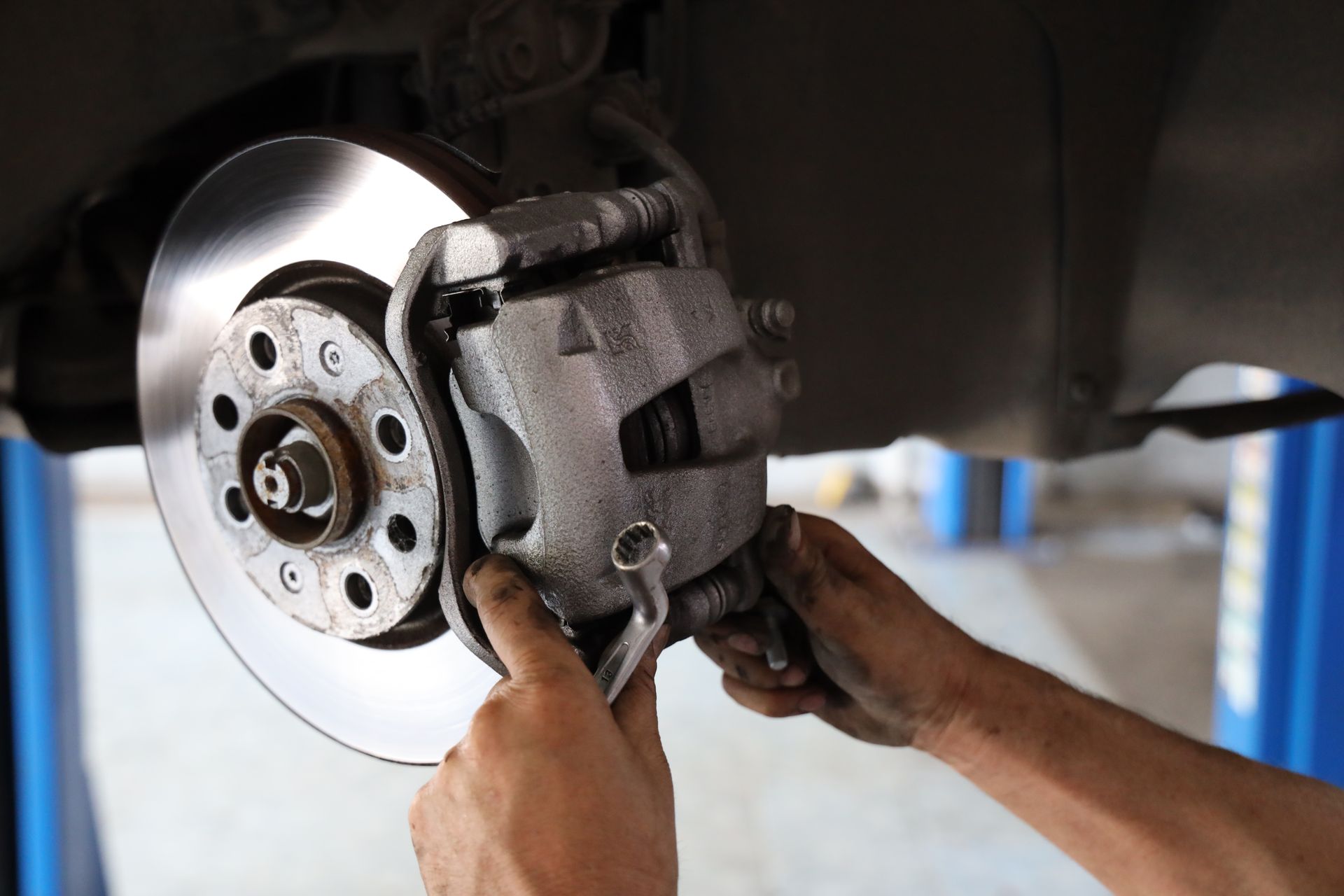
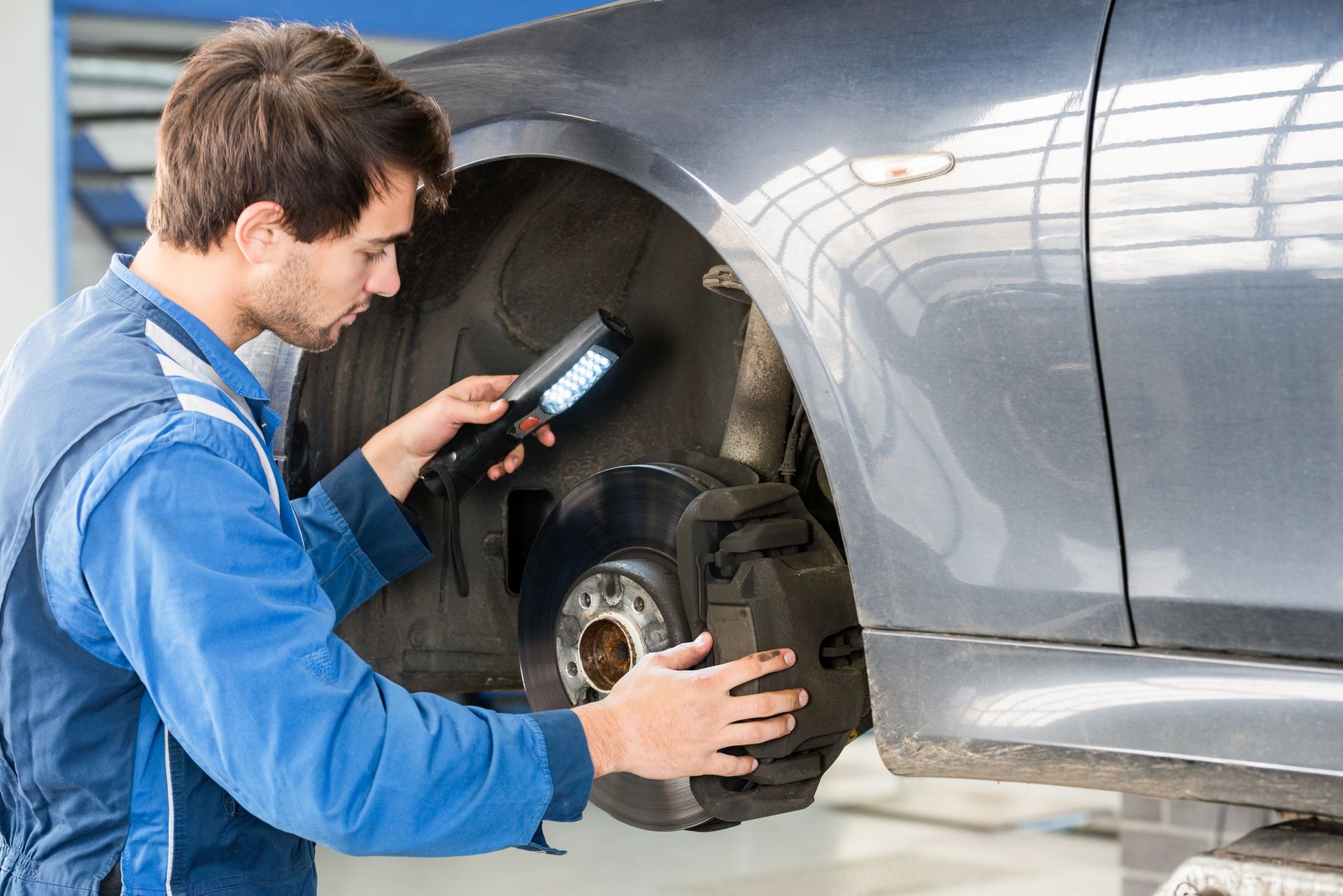
Brakes deserve the same attention. Thin pads, glazed rotors, or sticky calipers may feel manageable in dry, warm conditions, but can surprise you in a hard stop on a cold morning. Before winter really settles in, it pays to have pad thickness, rotor condition, and brake fluid checked so you are not asking a tired brake system to bail you out on slick roads.
4. Restore Visibility With Wipers, Washer Fluid, And Defrosters
Good visibility is half the battle in winter driving, and it depends on more than just headlights. Before freezing temps arrive, it helps to:
- Replace streaky or chattering wiper blades that leave unwiped bands
- Fill the washer reservoir with proper winter-rated fluid that will not freeze
- Make sure nozzles spray evenly and are not clogged with wax or debris
- Confirm the front and rear defrosters clear fog and frost across the glass
- Clean inside and outside glass so oncoming lights do not bloom into glare
These small steps make early morning commutes and late-night drives much calmer, especially when other vehicles are kicking slush and salt onto your windshield.
5. Look Over Belts, Hoses, And Fluids That Hate The Cold
Rubber parts get stiffer and less forgiving in the cold. Cracked serpentine belts are more likely to snap when they are flexed on a freezing morning, which can instantly take out your alternator, power steering assist, and water pump. Hoses that were barely holding on under mild conditions can start to leak or split once cold shrinks the rubber and stresses the clamps.
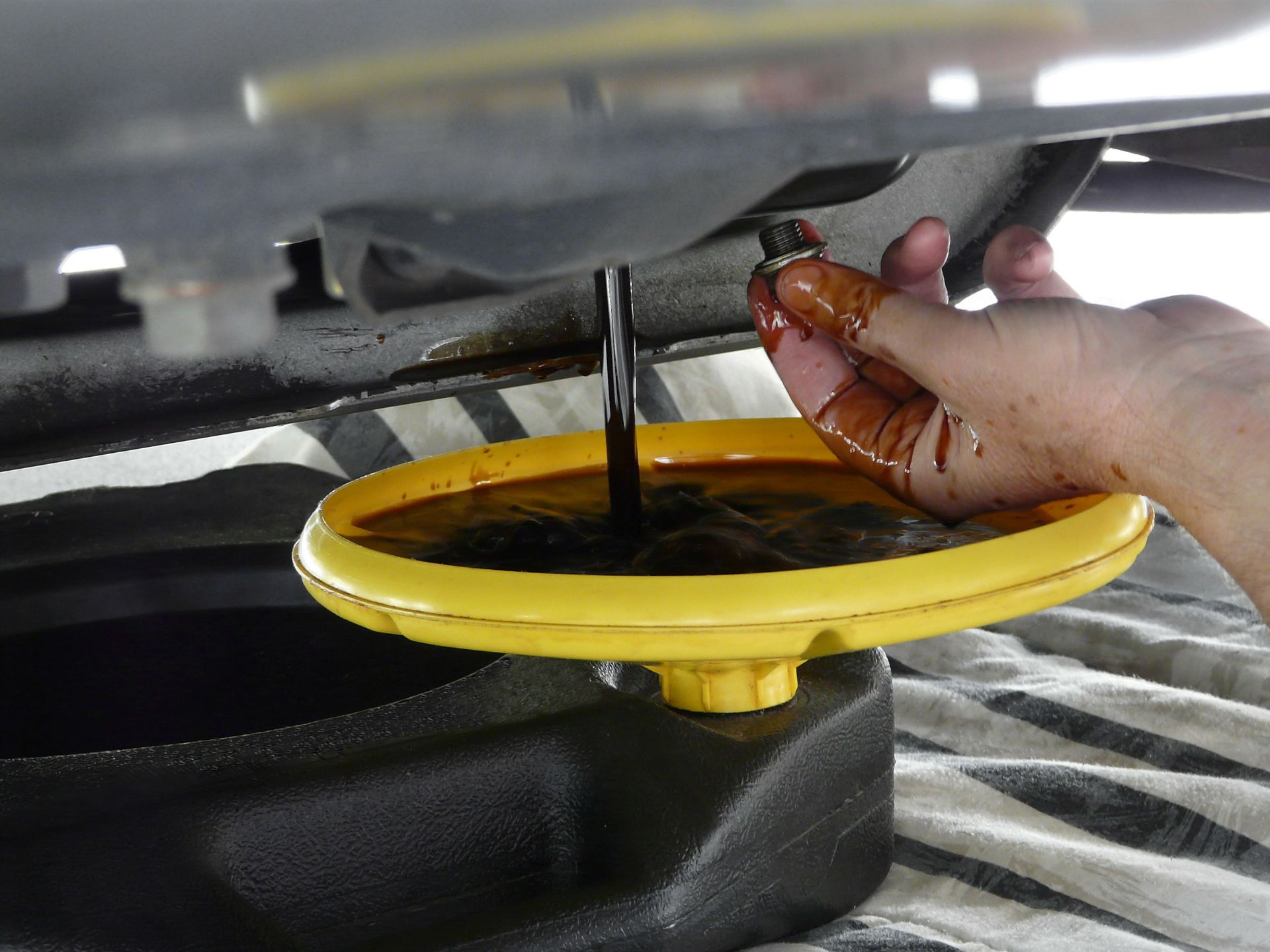
Fluids have to be up to the job as well. Engine oil that is too thick for winter can make cold starts harder and delay lubrication. Power steering and transmission fluids that are very old may feel sluggish until the vehicle warms up. Having these inspected and serviced according to the manufacturer’s schedule keeps everything moving freely even when the temperature drops overnight.
Get Winter Maintenance Before Freezing Temps in Charlotte, NC with Gibbon Tire and Auto
We can inspect your battery, tires, brakes, fluids, and critical under-hood components so your vehicle is ready when the first freezing mornings arrive. We focus on the items that make the biggest difference in cold-weather reliability, then help you prioritize anything that needs attention before winter driving gets busy.
Call
Gibbon Tire and Auto in Charlotte, NC, to schedule pre-winter maintenance and head into the cold season with a car you can count on.