Why Does My Steering Wheel Shake When I Hit The Brakes?

January 30, 2026

A shaking steering wheel while braking can make your whole car feel unreliable, even if it only happens at certain speeds. Most drivers notice it first on the highway. You press the brake pedal to slow down, and the steering wheel starts to flutter or vibrate in your hands.


Sometimes it’s mild, sometimes it’s enough to make you back off the brake and try again. The good news is this symptom usually points to a handful of common causes, and the pattern can help narrow it down.


Why Braking Vibration Shows Up In The Steering Wheel


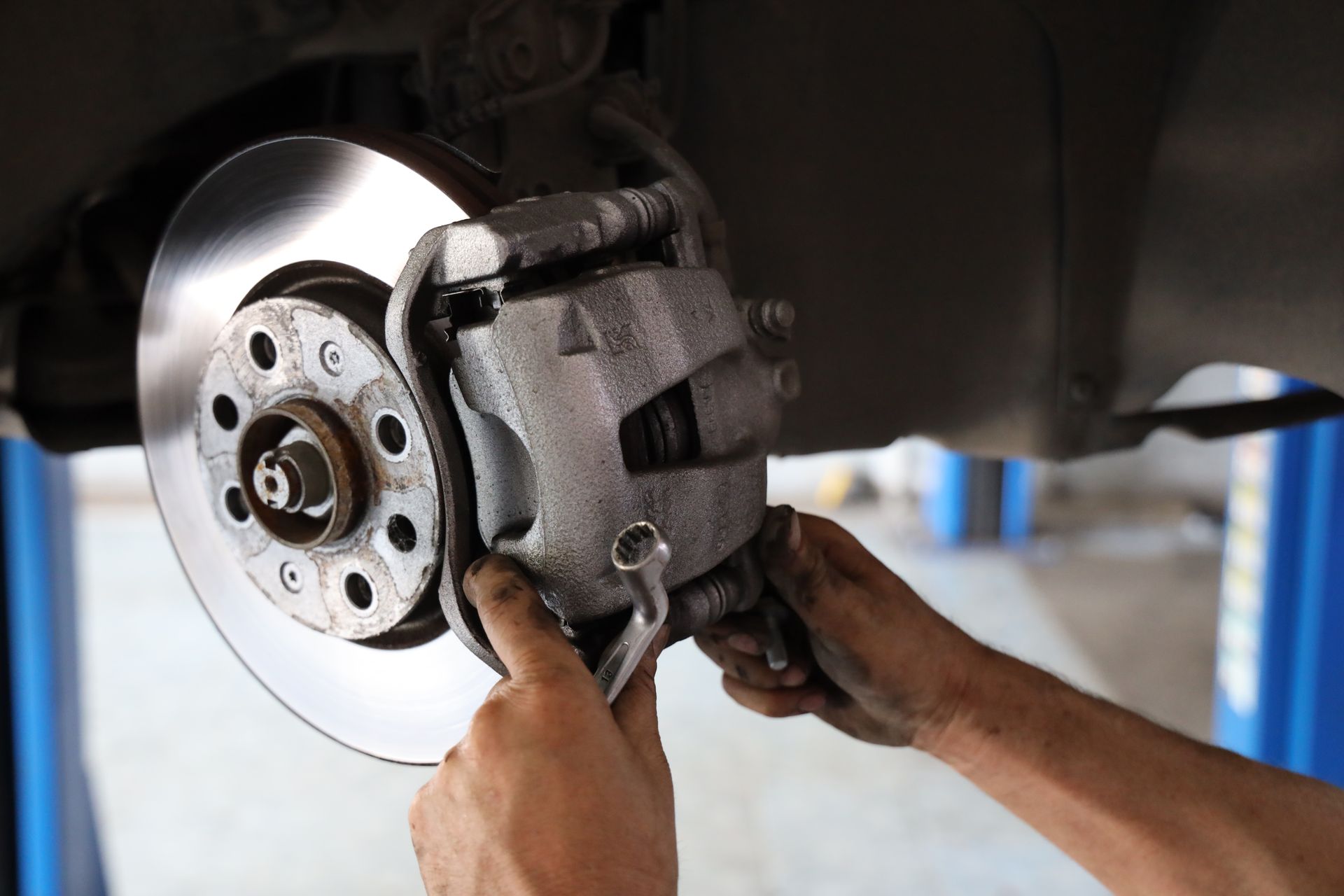
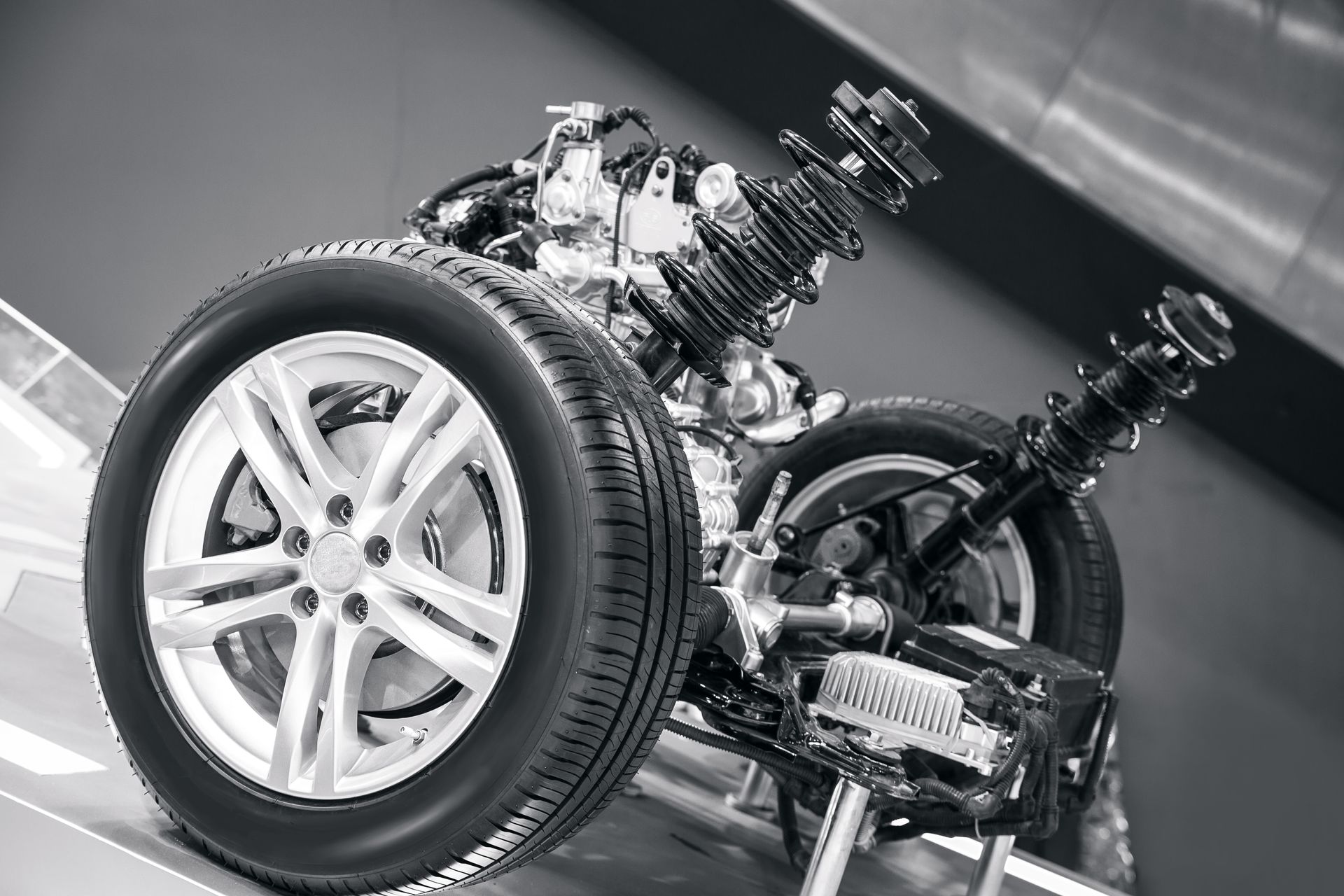
When you brake, the front wheels do most of the work. If anything in the front brake or front suspension is uneven, the braking force gets applied inconsistently. That inconsistency can feed back into the steering wheel as a shake. The vibration can come from the brake rotor surface, the way the pads contact the rotor, the caliper releasing, or looseness in suspension parts that only shows up under braking load.


It also helps to remember that not every brake vibration is purely a brake problem. Sometimes the brakes are just the moment you feel a front end issue that’s been building for a while.


How The Symptom Timeline Helps Identify The Cause


Early on, the shake may only happen at a specific speed range, like 55 to 70 mph. As the issue progresses, it can show up at lower speeds too. Some drivers notice it only after a long drive, when the brakes are hotter. Others notice it more after the first few stops in the morning.


If the shake is getting stronger over time, that’s a hint the underlying issue is becoming more pronounced. If it comes and goes depending on weather or recent driving, that can point toward pad material transfer or a caliper that isn’t releasing consistently.


Brake Rotor Surface Issues And Pad Material Transfer


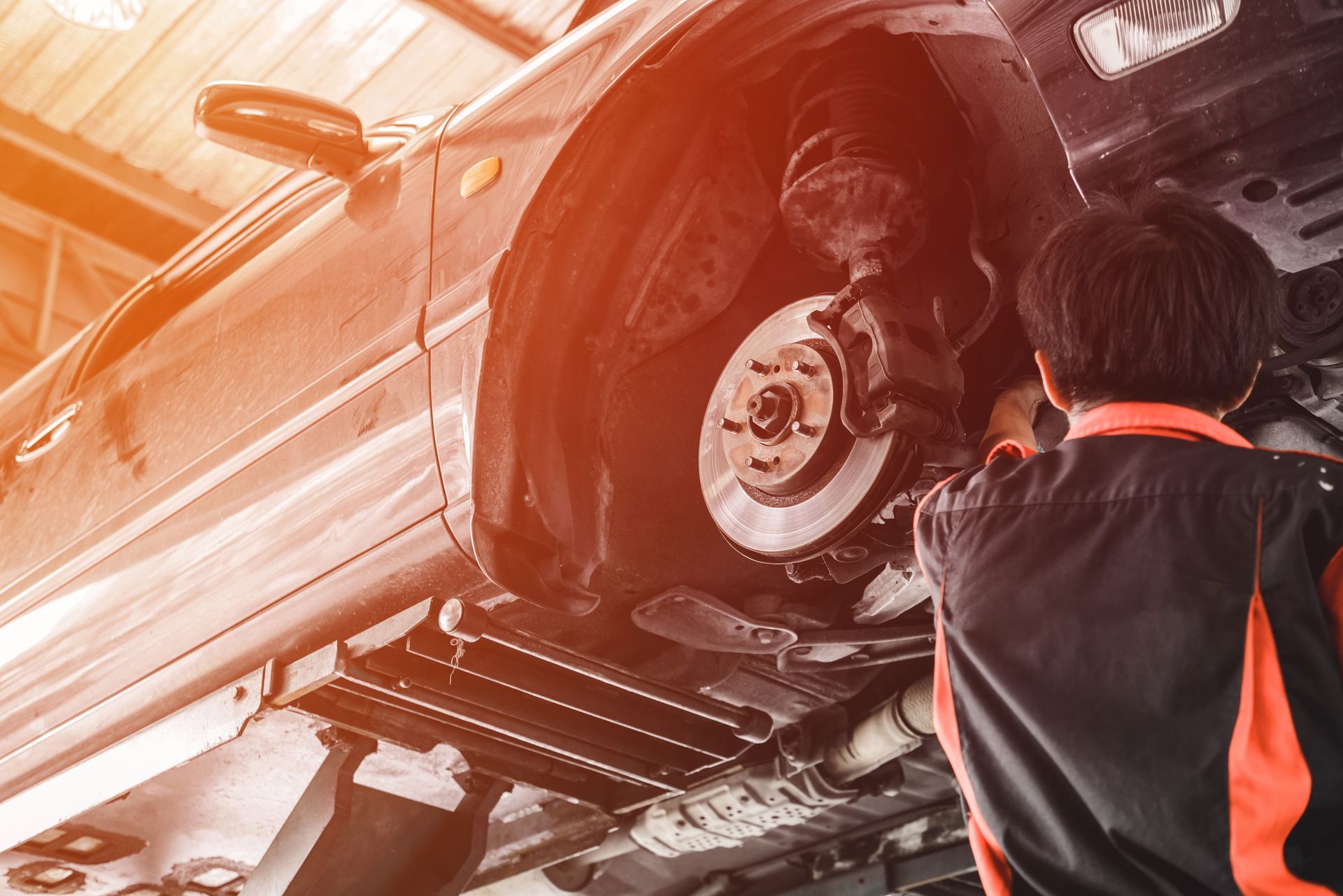
A very common cause is an uneven brake rotor surface, often described as warped rotors. In real life, it’s frequently uneven thickness or uneven friction surface caused by heat and pad material transfer. When the rotor surface isn’t consistent, the brake pad grabs more in certain spots and less in others. That pulsing force can be felt through the steering wheel.


This can happen if brakes overheat, if the vehicle sits after heavy braking and the hot pad presses against the rotor, or if pads and rotors weren’t bedded in properly after installation. It can also happen if the rotor was already marginal and then got stressed by repeated hard stops.


Caliper Problems That Cause Uneven Braking


If a caliper sticks or the slide pins don’t move freely, one pad can drag or clamp harder than the other. That uneven pressure can create vibration, and it can also create heat spots on the rotor. In some cases, you’ll notice one wheel collects more brake dust or runs hotter after a drive.


A caliper that’s hanging up can also wear pads unevenly, which makes the braking feel inconsistent. If you’ve had recent brake work and the shake started shortly after, it’s worth checking caliper operation and hardware, not just the rotors.


Loose Suspension Or Steering Components That Show Up Under Braking


Worn tie rods, ball joints, control arm bushings, or wheel bearings can cause a shake that is most noticeable during braking. The braking force loads the suspension in a specific way, and if there’s play, the wheel can shift slightly. That movement translates into vibration at the steering wheel.


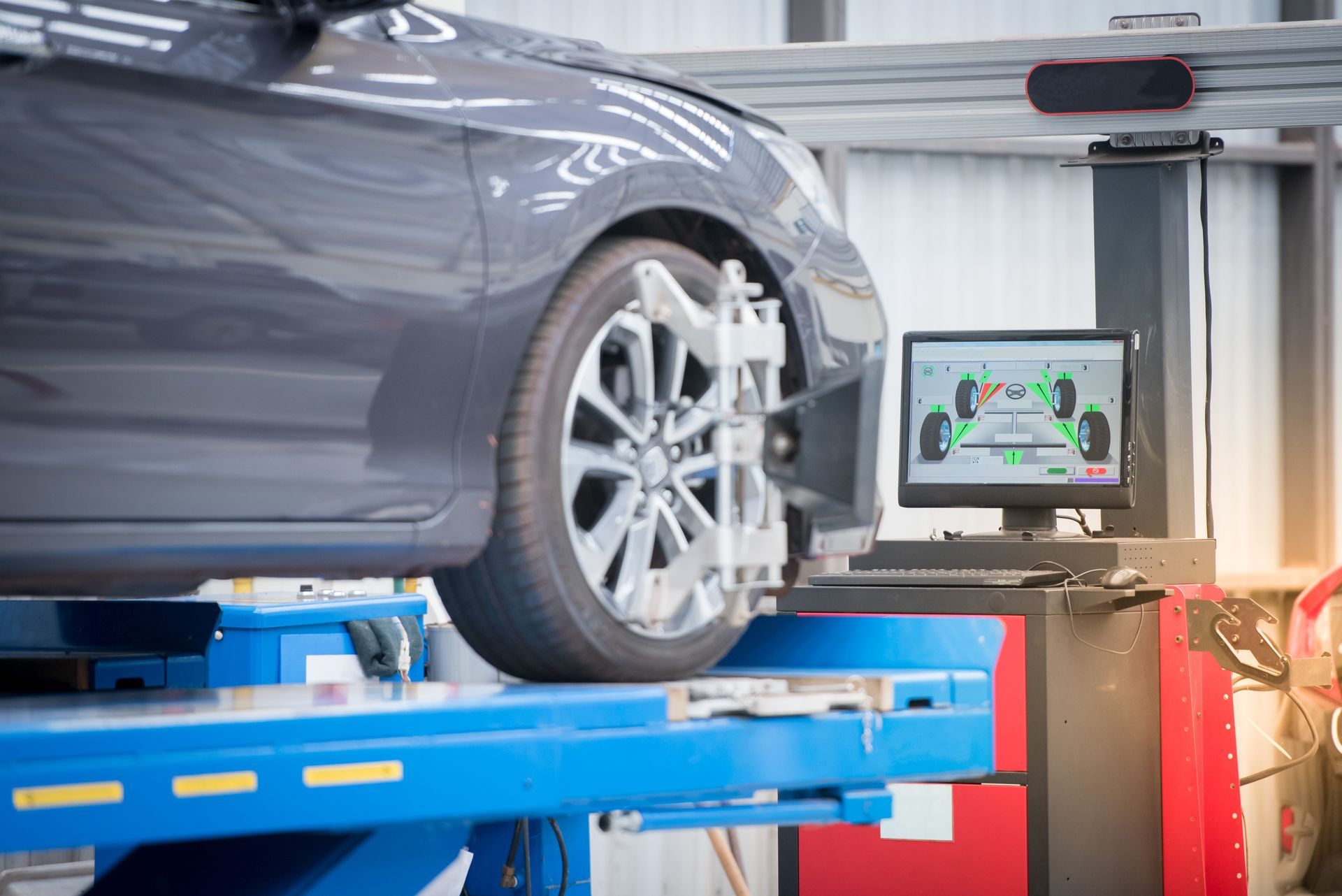
This is especially common if the vehicle has also been wandering a bit or if tire wear is uneven. If you hit a pothole or curb recently and then the shake started, front end play and alignment angles are worth checking alongside the brakes.


Wheel And Tire Issues That Can Mimic Brake Vibration


Sometimes the issue is not the brakes at all. A wheel that’s slightly bent or a tire with uneven wear can create a constant vibration, which becomes more noticeable when you slow down. Drivers often associate it with braking because that’s when they’re paying attention and holding the wheel tighter.


If the vibration is present at a specific speed even when you’re not braking, or if you feel it in the seat and floor as well as the steering wheel, wheels, and tires become a stronger suspect. Braking can amplify a vibration that was already present.


Owner Mistakes That Make The Shake Worse


One mistake is ignoring it because braking still seems effective. Even if the stopping distance feels normal, vibration is telling you something is uneven. The longer it’s driven, the more likely it is to wear pads and rotors unevenly and stress front end components.


Another mistake is replacing rotors without checking why they developed the issue. If calipers are sticking or suspension parts are loose, new rotors can develop the same problem again. That’s why it helps to inspect the full picture instead of treating it as a simple parts swap.


A Practical Guide For What To Do Next


If the shake is mild and only shows up at higher speeds, you can usually drive short distances while you schedule an inspection soon. If the vibration is strong, if you hear grinding, or if the car pulls during braking, move it up the list. And if you notice one wheel is unusually hot after a normal drive, that can point toward brake drag and should be checked quickly.


When you bring it in, note when it happens most. Speed range, whether it’s worse after long driving, and whether it’s only during braking or also at cruising speed. Those details help pinpoint the cause faster.


Get Brake And Front End Inspection in Charlotte, NC, with Gibbon Tire and Auto


If your steering wheel shakes when you brake, we can inspect the brake surfaces, caliper operation, and the front suspension and steering components to identify the source of the vibration. We’ll explain what we see and recommend the repair that addresses the real source, so the problem doesn’t come right back.


Schedule a brake and front end inspection in Charlotte, NC, with Gibbon Tire and Auto, and let’s get your braking under control again.
5 Maintenance Tasks You Should Do Before Driving in Freezing Temps | Gibbon Tire and Auto
December 19, 2025
Gibbon Tire and Auto in Charlotte, NC, shares five maintenance tasks to complete before driving in freezing temperatures.
Why Is My Car Idling Rough? | Gibbon Tire and Auto
November 28, 2025
Why Is My Car Idling Rough? | Gibbon Tire and Auto
Why Does My Car Feel Unstable And Bouncy While Driving? | Gibbon Tire and Auto
October 31, 2025
Gibbon Tire and Auto in Charlotte, NC, explains how worn shocks, struts, or tires can cause your ride to feel loose or bouncy.
What Does It Mean When the Traction Control Light Turns On? | Gibbon Tire and Auto
September 26, 2025
Gibbon Tire and Auto in Charlotte, NC, shares what it means when the traction control light turns on and how it affects your driving safety.
How Do I Know My Car Can Handle a Road Trip? | Gibbon Tire and Auto
August 29, 2025
There is nothing like hitting the open road for a long trip, but before you set out, it is important to make sure your vehicle is ready for the journey. A road trip can mean hours of driving at highway speeds, often far from repair shops. The last thing you want is a breakdown that could have been prevented with a little preparation. Knowing whether your car is ready for a road trip comes down to inspecting a few key systems and looking for early signs of trouble. Start With Routine Maintenance If you are due for an oil change or other basic maintenance, take care of it before your trip. Fresh oil helps your engine run cooler and more efficiently, which is especially important when driving long distances. Check your owner’s manual to see if other services, such as replacing the air filter or rotating the tires, are due soon. Doing them before your trip can save you from having to deal with them while you are away from home. Check the Cooling System Long highway drives can put extra stress on your cooling system , especially in warm weather. Make sure your coolant level is correct and that the fluid looks clean. Coolant that is rusty or cloudy should be flushed and replaced. Inspect hoses for cracks, bulges, or leaks, and check that the radiator cap is in good condition. A weak cooling system can quickly lead to overheating, which can ruin your trip and your engine. Inspect Your Tires Your tires are your only contact with the road, so they must be in good shape before a trip. Check for adequate tread depth and look for any signs of uneven wear, bulges, or embedded objects. Uneven wear can signal alignment or suspension problems that should be fixed before you leave. Proper tire pressure is equally important. Underinflated tires can overheat and wear out quickly, while overinflated tires can reduce traction and make the ride less comfortable. Be sure to check your spare tire too—it will not help you if it is flat when you need it. Test the Brakes Your brakes should be responsive and quiet. If you hear squealing, grinding, or feel vibrations when braking, have them inspected right away. Even if you have not noticed problems, it is a good idea to have the brake pads and rotors checked before a long drive. Also, check your brake fluid level and condition. Low or dirty fluid can affect braking performance. If your brake fluid is dark or has not been changed in several years, replacing it before your trip can improve safety. Evaluate the Battery and Electrical System A weak battery can turn a fun trip into a frustrating delay. Have your battery tested to make sure it is holding a strong charge, especially if it is more than three years old. Corroded battery terminals should be cleaned to ensure a solid connection. Verify that all lights, including headlights, brake lights, turn signals, and interior lights, are functioning properly. Good visibility is essential for safe driving day and night. Look Over Belts and Wipers Inspect your engine belts for cracks, fraying, or signs of excessive wear . A broken belt can disable your vehicle and may be difficult to replace on the road. Make sure your windshield wipers are in good condition and that your washer fluid is topped up. Clear visibility is critical when driving in changing weather conditions. Pack an Emergency Kit Even a well-prepared vehicle can encounter unexpected problems. Packing a simple emergency kit can make a big difference if something happens far from help. Include jumper cables, a flashlight, a tire repair kit or inflator, basic tools, bottled water, and snacks. It is also a good idea to bring a phone charger that works in your car and a paper map in case you lose cell service. Take a Short Test Drive Before the Trip Before your road trip, take your car for a local drive at both city and highway speeds. Listen for unusual noises, check for vibrations, and pay attention to how it accelerates and brakes. A brief test drive can reveal issues that may not be apparent during everyday commuting. If you notice anything unusual, have it checked before your trip begins. Road Trip Readiness at Gibbon Tire and Auto in Charlotte, NC If you want complete peace of mind before your next road trip, bring your vehicle to Gibbon Tire and Auto in Charlotte, NC. Our team will perform a thorough pre-trip inspection, checking all major systems to make sure your car is safe, reliable, and ready for the miles ahead. We will help you prevent problems before they start so you can enjoy your journey with confidence.
What Are the Symptoms of a Bad Wheel Bearing? | Gibbon Tire and Auto
July 25, 2025
Gibbon Tire and Auto in Charlotte, NC, explains the symptoms of a failing wheel bearing and why quick repair is important for safety.
Can Bad Spark Plugs Cause Starting Problems? | Gibbon Tire and Auto
June 27, 2025
Gibbon Tire and Auto in Charlotte, NC, explains how worn or faulty spark plugs can affect your car’s ability to start smoothly.
6 Causes of Rough Engine Idling | Gibbon Tire and Auto
May 30, 2025
Gibbon Tire and Auto in Charlotte, NC, shares six possible reasons your engine idles roughly—and how to restore smooth performance.
Why Is My Antifreeze Level Dropping With No Visible Leak? | Gibbon Tire and Auto
April 25, 2025
Gibbon Tire and Auto in Charlotte, NC, explains why your antifreeze level might be dropping without a visible leak. Learn the hidden causes and what to check.
When “Just a Small Leak” Becomes a Big Problem | Gibbon Tire and Auto
March 28, 2025
Gibbon Tire and Auto in Charlotte, NC, explains when a small car leak turns into a big problem. Learn the risks and when to get a professional auto repair.