Things Most Drivers Don’t Know About Hybrid Vehicles (and the Services They Need)

February 27, 2026

Hybrid vehicles have moved from a niche option to a common choice for everyday drivers. Known for great fuel economy and lower emissions, hybrids combine a gas engine with an electric motor to improve efficiency. While many people understand the basics, there’s a lot about hybrid ownership and maintenance that often goes overlooked. Understanding how these vehicles operate and what they require to remain reliable can help you avoid surprises and keep hybrids running right.


Hybrids Still Need Regular Maintenance


One of the most common misconceptions about hybrids is that they require little to no maintenance. While hybrid systems reduce strain on certain components, they still rely on traditional parts that need attention. Oil changes, tire rotations, suspension inspections, and fluid checks are just as important as they are for gas-powered vehicles.


The difference is that hybrids use these components differently. Engines may cycle on and off, and electric motors handle some of the workload, but routine service remains essential for longevity and performance.


Regenerative Braking - Helpful, but NOT Maintenance-Free


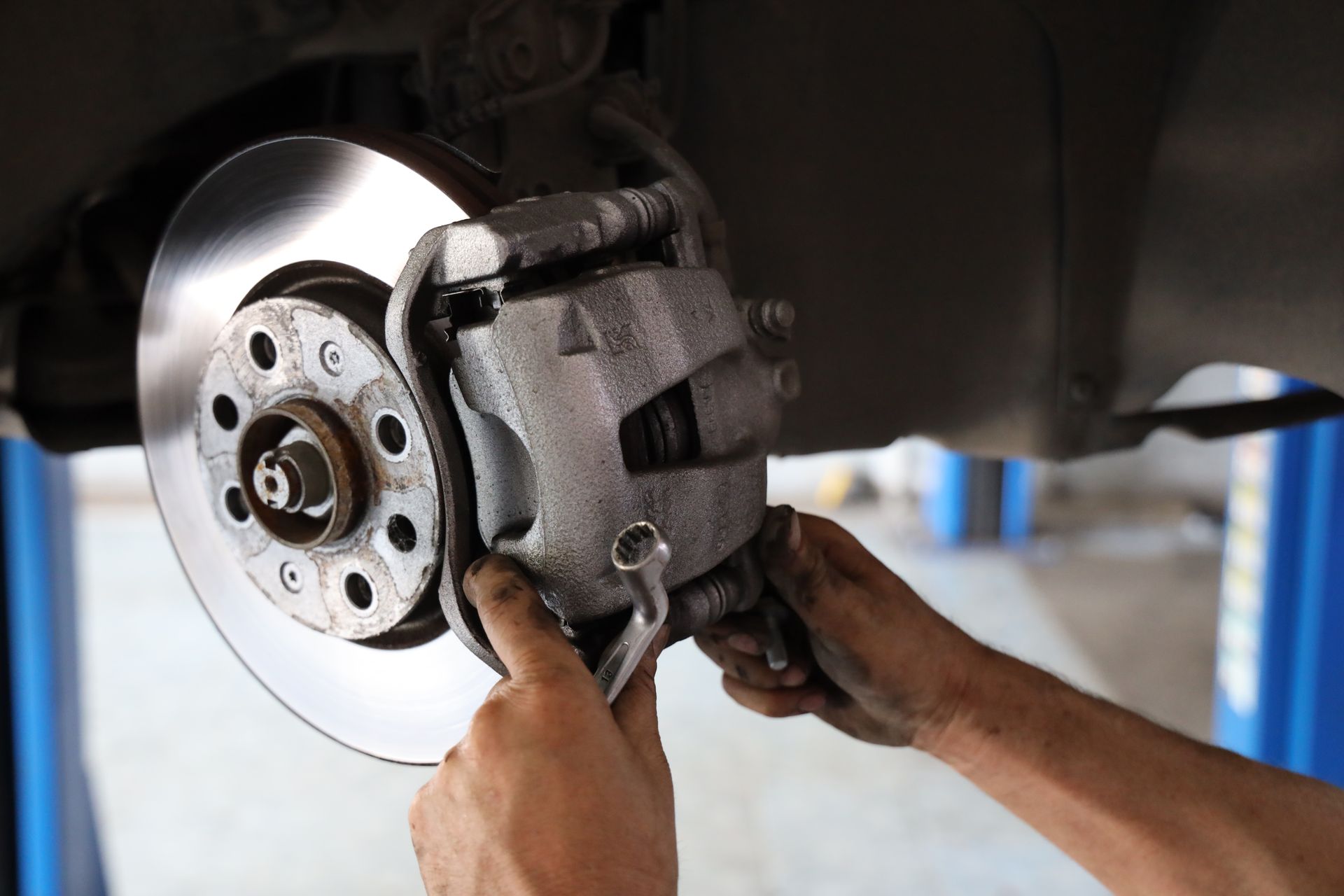
Hybrid vehicles often use regenerative
braking to capture energy while slowing down and send it back to the battery. This reduces wear on brake pads and rotors, which means:


  • Brake components often last longer
  • Less frequent brake replacement compared to conventional vehicles


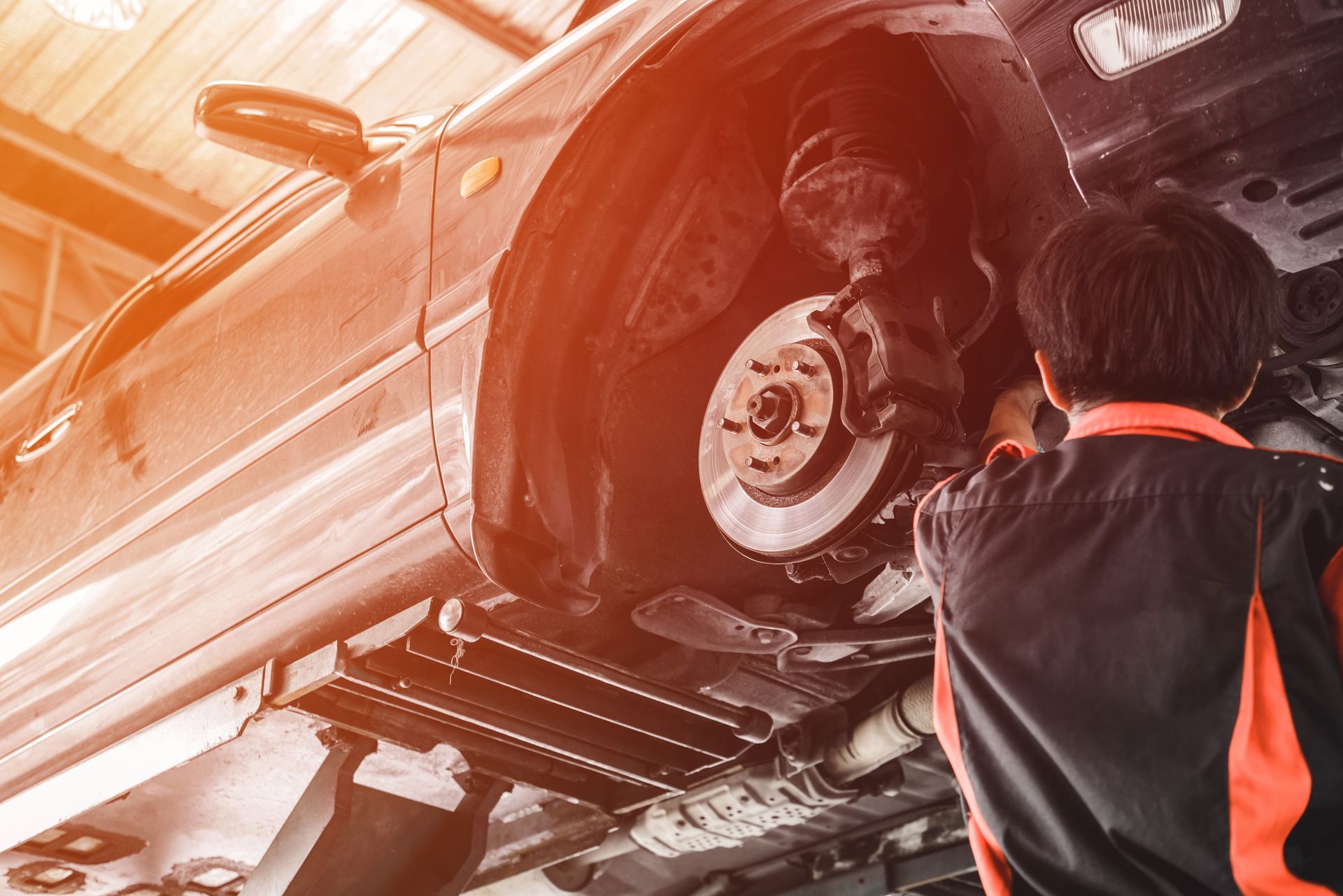
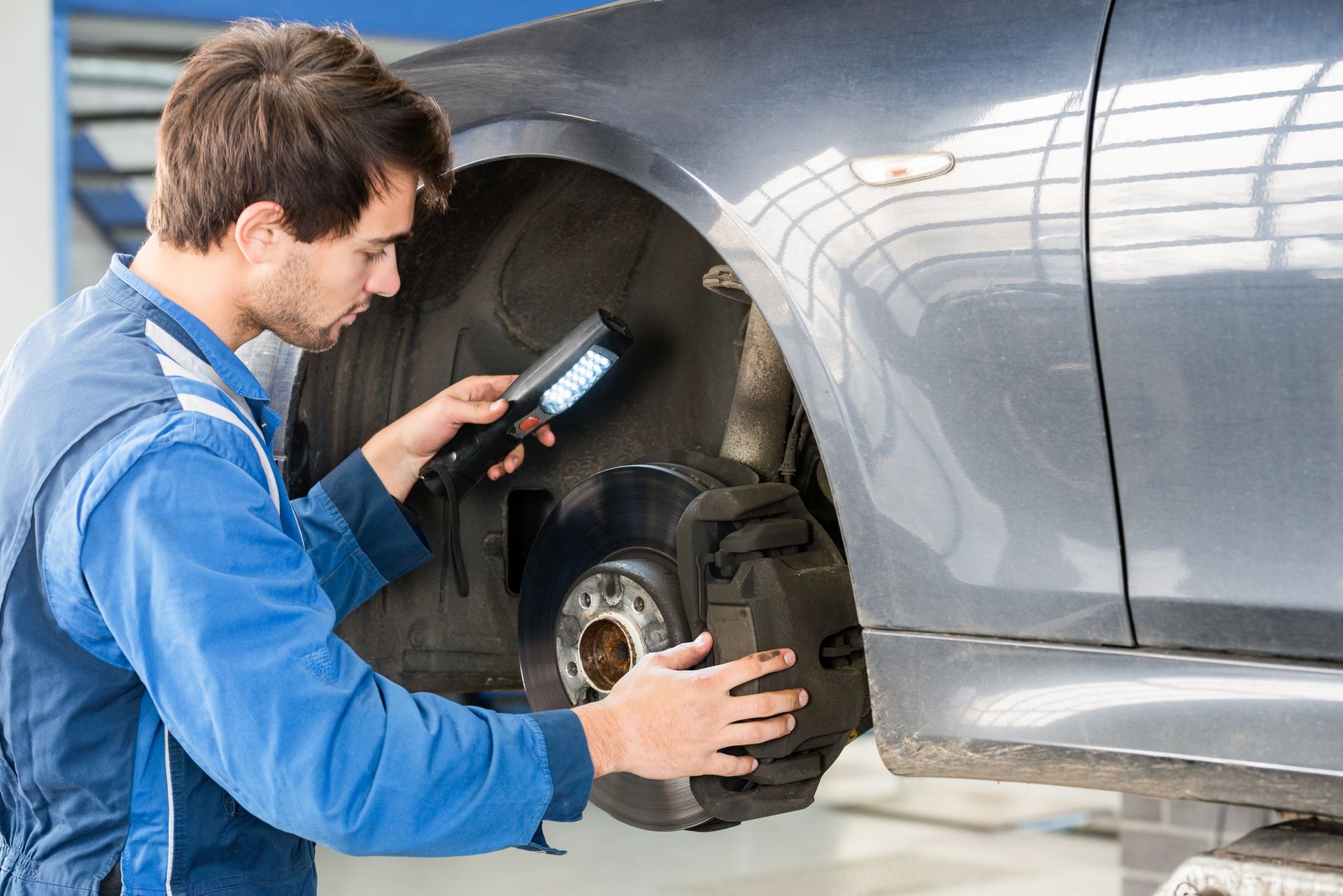
However, reduced use can cause other problems. Brakes may develop rust or sticking components if they aren’t inspected regularly. Routine brake checks help ensure everything remains safe and responsive.


Hybrid Batteries Are Durable - but NOT Invincible


Hybrid batteries are designed to last many years, often between 8 and 15 years depending on driving habits and climate. While replacements aren’t common early on, battery health still matters.


Factors that can affect hybrid battery lifespan include:


  • Extreme heat or cold
  • Frequent short trips
  • Long periods of inactivity


Early diagnostics can identify cooling issues or weak battery cells before they lead to bigger repairs.


Multiple Cooling Systems You Might Not Expect


Many hybrid vehicles use more than one
cooling system. In addition to cooling the engine, hybrids often have a separate system to regulate battery and power electronics temperatures.


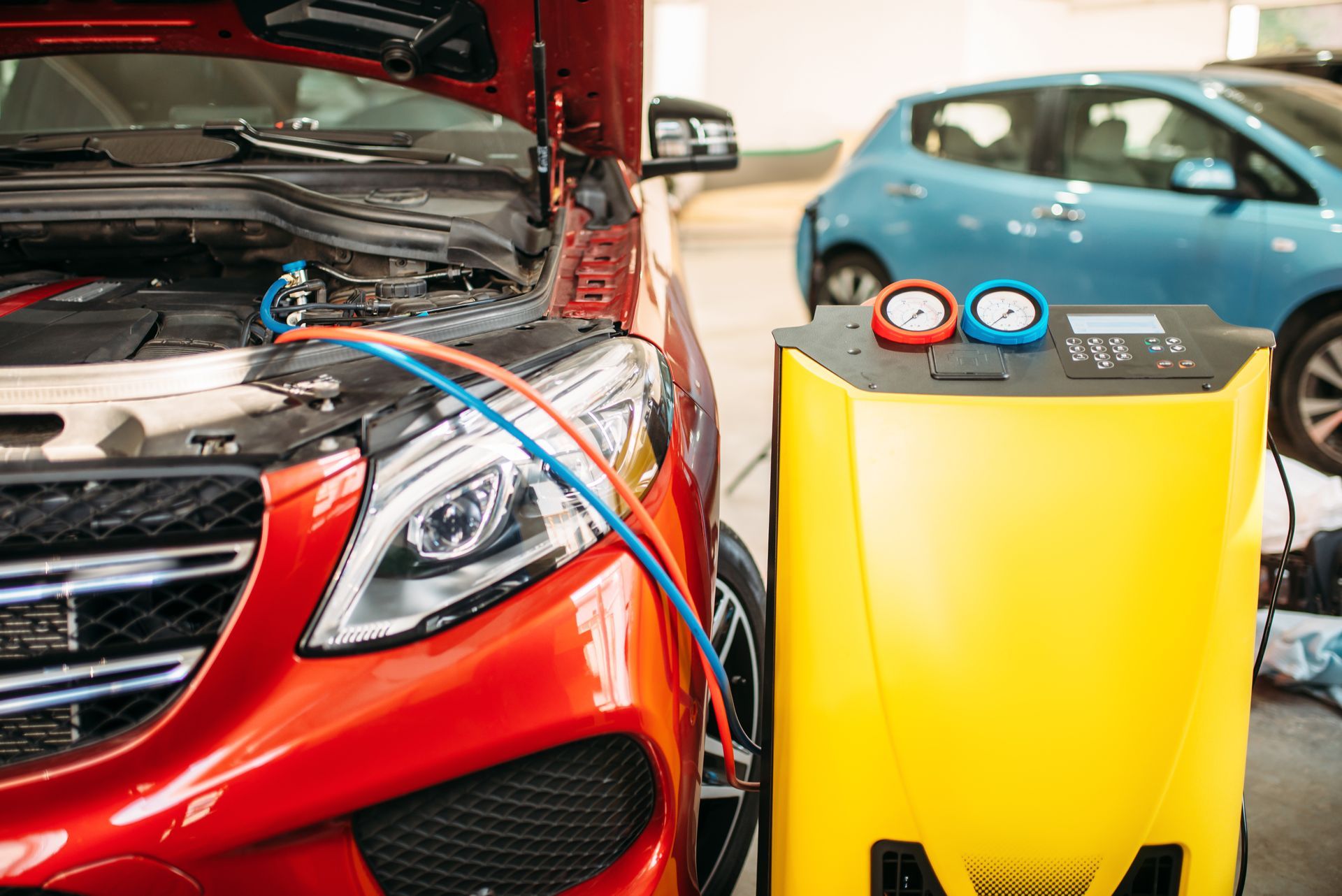
These systems rely on specialized coolant that needs periodic replacement. Ignoring these services can result in overheating, reduced efficiency, and long-term battery damage.


Hybrid Transmissions Are Unique


Hybrid transmissions don’t always function like traditional automatics. Depending on the model, they may use:


  • Continuously Variable Transmissions (CVTs)
  • Electronically controlled planetary gear systems


While these transmissions are highly efficient, they still depend on clean, manufacturer-approved fluid. Skipping transmission service or using incorrect fluids can lead to performance issues and costly repairs.


Oil Changes Still Matter - A Lot


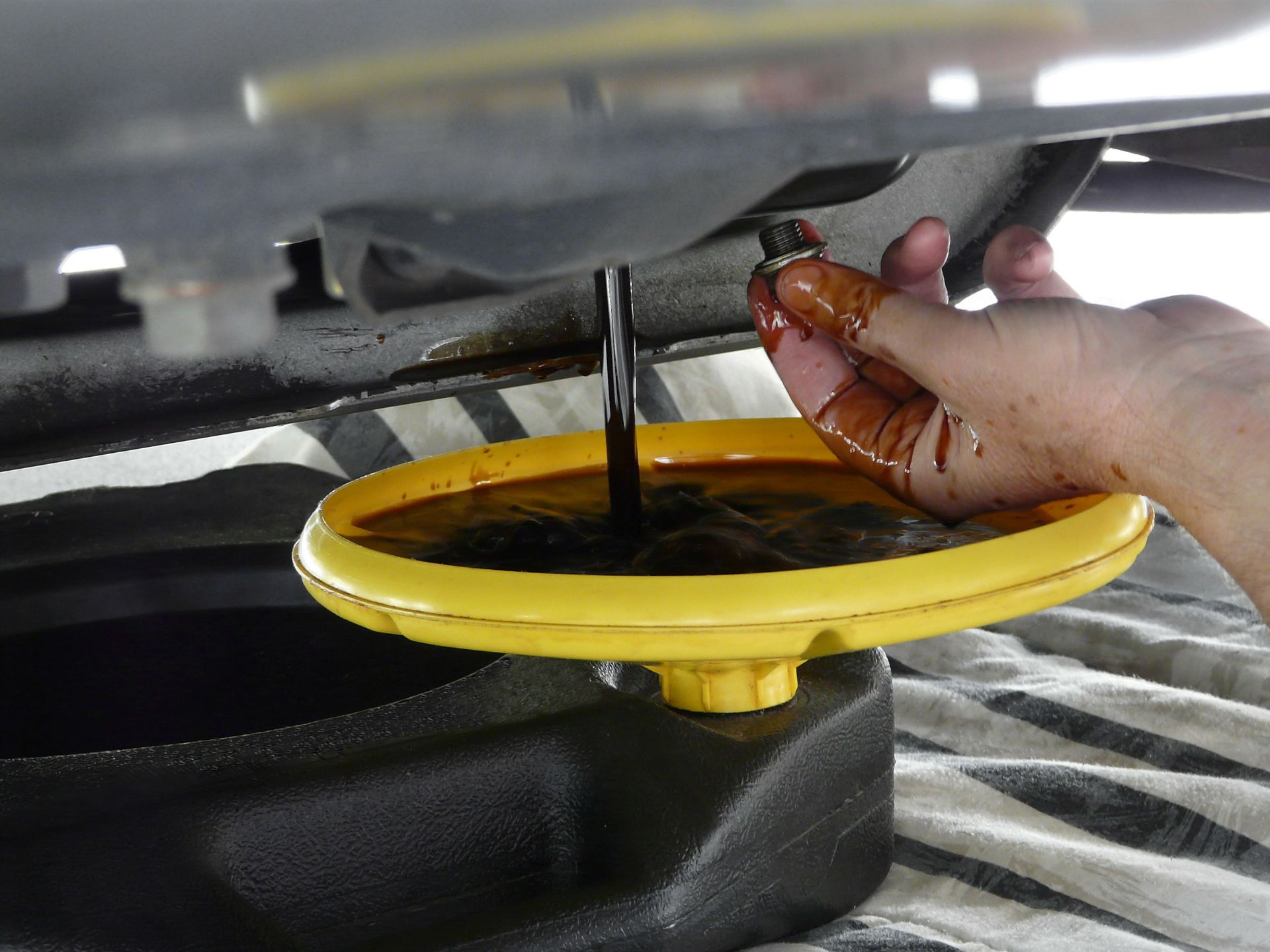
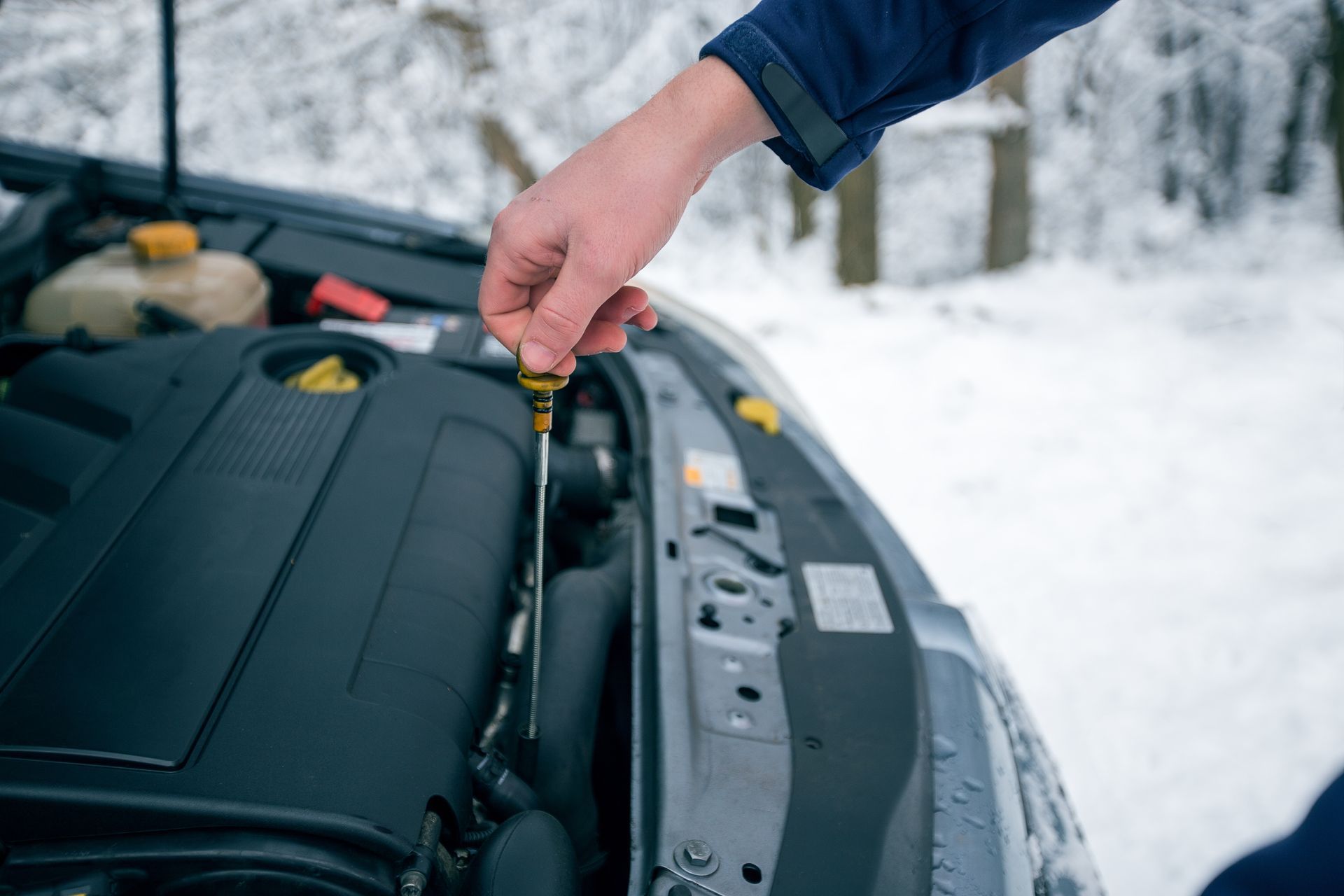
Some drivers assume hybrids don’t need frequent oil changes because the engine runs less often. In reality, the engine still experiences wear, especially since it turns on and off frequently.


Old or contaminated oil can lead to:


  • Internal engine wear
  • Sludge buildup
  • Reduced efficiency


Following recommended oil change intervals is just as important for hybrids as it is for traditional vehicles.


Advanced Electronics and Diagnostics


Hybrid vehicles rely heavily on sensors, software, and control modules. Systems like battery management, regenerative braking, and power distribution depend on precise data. When something goes wrong, proper diagnostics are critical.


Not all shops are equipped to diagnose hybrid-specific issues, making experience and specialized equipment especially important.


Tires and Weight Play a Bigger Role


Hybrids are often heavier due to battery packs, which can impact tire wear. Many also use low-rolling-resistance tires designed for efficiency.


Proper tire care includes:


  • Maintaining correct air pressure
  • Regular tire rotations
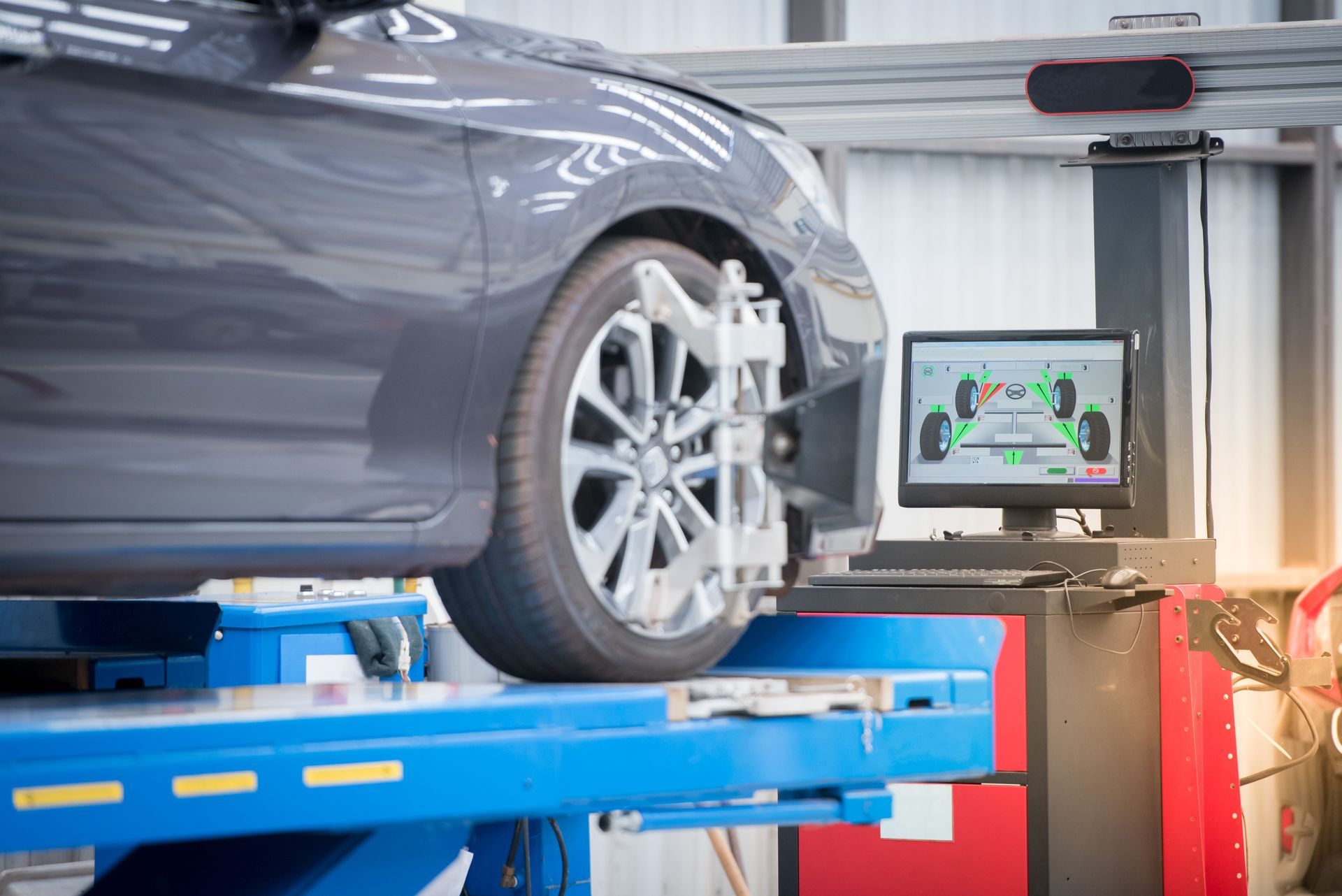
  • Alignment checks


These steps help preserve fuel economy and prevent uneven wear.


Trust a Shop in Charlotte That Understands Hybrid Vehicles


Hybrid vehicles are an excellent long-term investment, but they require knowledgeable care to stay efficient and reliable. Understanding how their systems work helps owners make smarter maintenance decisions.


If you own a hybrid and want confidence behind the wheel near Charlotte, NC, our experienced technicians are here to help. We provide professional hybrid inspections, maintenance, and diagnostics to keep your vehicle running its best. Contact
Gibbon Tire & Auto today to schedule an appointment and give your hybrid the expert services it deserves.

Why Does My Steering Wheel Shake When I Hit The Brakes? | Gibbon Tire and Auto
January 30, 2026
Gibbon Tire and Auto in Charlotte, NC, explains why a steering wheel shakes when you hit the brakes and which brake parts are usually at fault.
5 Maintenance Tasks You Should Do Before Driving in Freezing Temps | Gibbon Tire and Auto
December 19, 2025
Gibbon Tire and Auto in Charlotte, NC, shares five maintenance tasks to complete before driving in freezing temperatures.
Why Is My Car Idling Rough? | Gibbon Tire and Auto
November 28, 2025
Why Is My Car Idling Rough? | Gibbon Tire and Auto
Why Does My Car Feel Unstable And Bouncy While Driving? | Gibbon Tire and Auto
October 31, 2025
Gibbon Tire and Auto in Charlotte, NC, explains how worn shocks, struts, or tires can cause your ride to feel loose or bouncy.
What Does It Mean When the Traction Control Light Turns On? | Gibbon Tire and Auto
September 26, 2025
Gibbon Tire and Auto in Charlotte, NC, shares what it means when the traction control light turns on and how it affects your driving safety.
How Do I Know My Car Can Handle a Road Trip? | Gibbon Tire and Auto
August 29, 2025
There is nothing like hitting the open road for a long trip, but before you set out, it is important to make sure your vehicle is ready for the journey. A road trip can mean hours of driving at highway speeds, often far from repair shops. The last thing you want is a breakdown that could have been prevented with a little preparation. Knowing whether your car is ready for a road trip comes down to inspecting a few key systems and looking for early signs of trouble. Start With Routine Maintenance If you are due for an oil change or other basic maintenance, take care of it before your trip. Fresh oil helps your engine run cooler and more efficiently, which is especially important when driving long distances. Check your owner’s manual to see if other services, such as replacing the air filter or rotating the tires, are due soon. Doing them before your trip can save you from having to deal with them while you are away from home. Check the Cooling System Long highway drives can put extra stress on your cooling system , especially in warm weather. Make sure your coolant level is correct and that the fluid looks clean. Coolant that is rusty or cloudy should be flushed and replaced. Inspect hoses for cracks, bulges, or leaks, and check that the radiator cap is in good condition. A weak cooling system can quickly lead to overheating, which can ruin your trip and your engine. Inspect Your Tires Your tires are your only contact with the road, so they must be in good shape before a trip. Check for adequate tread depth and look for any signs of uneven wear, bulges, or embedded objects. Uneven wear can signal alignment or suspension problems that should be fixed before you leave. Proper tire pressure is equally important. Underinflated tires can overheat and wear out quickly, while overinflated tires can reduce traction and make the ride less comfortable. Be sure to check your spare tire too—it will not help you if it is flat when you need it. Test the Brakes Your brakes should be responsive and quiet. If you hear squealing, grinding, or feel vibrations when braking, have them inspected right away. Even if you have not noticed problems, it is a good idea to have the brake pads and rotors checked before a long drive. Also, check your brake fluid level and condition. Low or dirty fluid can affect braking performance. If your brake fluid is dark or has not been changed in several years, replacing it before your trip can improve safety. Evaluate the Battery and Electrical System A weak battery can turn a fun trip into a frustrating delay. Have your battery tested to make sure it is holding a strong charge, especially if it is more than three years old. Corroded battery terminals should be cleaned to ensure a solid connection. Verify that all lights, including headlights, brake lights, turn signals, and interior lights, are functioning properly. Good visibility is essential for safe driving day and night. Look Over Belts and Wipers Inspect your engine belts for cracks, fraying, or signs of excessive wear . A broken belt can disable your vehicle and may be difficult to replace on the road. Make sure your windshield wipers are in good condition and that your washer fluid is topped up. Clear visibility is critical when driving in changing weather conditions. Pack an Emergency Kit Even a well-prepared vehicle can encounter unexpected problems. Packing a simple emergency kit can make a big difference if something happens far from help. Include jumper cables, a flashlight, a tire repair kit or inflator, basic tools, bottled water, and snacks. It is also a good idea to bring a phone charger that works in your car and a paper map in case you lose cell service. Take a Short Test Drive Before the Trip Before your road trip, take your car for a local drive at both city and highway speeds. Listen for unusual noises, check for vibrations, and pay attention to how it accelerates and brakes. A brief test drive can reveal issues that may not be apparent during everyday commuting. If you notice anything unusual, have it checked before your trip begins. Road Trip Readiness at Gibbon Tire and Auto in Charlotte, NC If you want complete peace of mind before your next road trip, bring your vehicle to Gibbon Tire and Auto in Charlotte, NC. Our team will perform a thorough pre-trip inspection, checking all major systems to make sure your car is safe, reliable, and ready for the miles ahead. We will help you prevent problems before they start so you can enjoy your journey with confidence.
What Are the Symptoms of a Bad Wheel Bearing? | Gibbon Tire and Auto
July 25, 2025
Gibbon Tire and Auto in Charlotte, NC, explains the symptoms of a failing wheel bearing and why quick repair is important for safety.
Can Bad Spark Plugs Cause Starting Problems? | Gibbon Tire and Auto
June 27, 2025
Gibbon Tire and Auto in Charlotte, NC, explains how worn or faulty spark plugs can affect your car’s ability to start smoothly.
6 Causes of Rough Engine Idling | Gibbon Tire and Auto
May 30, 2025
Gibbon Tire and Auto in Charlotte, NC, shares six possible reasons your engine idles roughly—and how to restore smooth performance.
Why Is My Antifreeze Level Dropping With No Visible Leak? | Gibbon Tire and Auto
April 25, 2025
Gibbon Tire and Auto in Charlotte, NC, explains why your antifreeze level might be dropping without a visible leak. Learn the hidden causes and what to check.