One of the most common questions we hear at our shop is, “How often should I change my oil?” It sounds simple, but the answer depends largely on the vehicle's age, the type of oil it uses, and how it is driven. For drivers with older cars, that question matters even more. A newer model may have advanced engine technology and built-in oil-life monitoring, while an older vehicle often requires a more hands-on approach to stay protected.
We work with drivers on both ends of the spectrum. Some bring in late-model vehicles that can go thousands of miles between oil changes under the right conditions. Others rely on older cars with well over 100,000 miles, where regular oil service is one of the biggest factors in keeping the engine healthy. The truth is that older cars and newer models do not always follow the same maintenance rhythm, and treating them the same can lead to trouble.
If you drive an older vehicle, proper oil change timing is one of the best ways to help it last.
Why Oil Change Intervals Are Not One-Size-Fits-All
Years ago, many drivers followed the old 3,000-mile rule no matter what they drove. That advice stuck around for a reason, but modern vehicles and modern motor oils have changed a lot. Many newer cars can safely go much longer between oil changes, especially when using full synthetic oil and operating under normal driving conditions.
At the same time, older vehicles often need a little more attention. Engine wear, minor leaks, oil consumption, and internal buildup can all affect how long oil stays effective. An engine with more miles on it may put more stress on the oil, even if the car is still running well overall.
That is why we always recommend looking at the whole picture rather than following a generic number. The right interval depends on your vehicle’s age, mileage, oil type, engine condition, and daily driving habits.
How Newer Models Handle Oil Changes
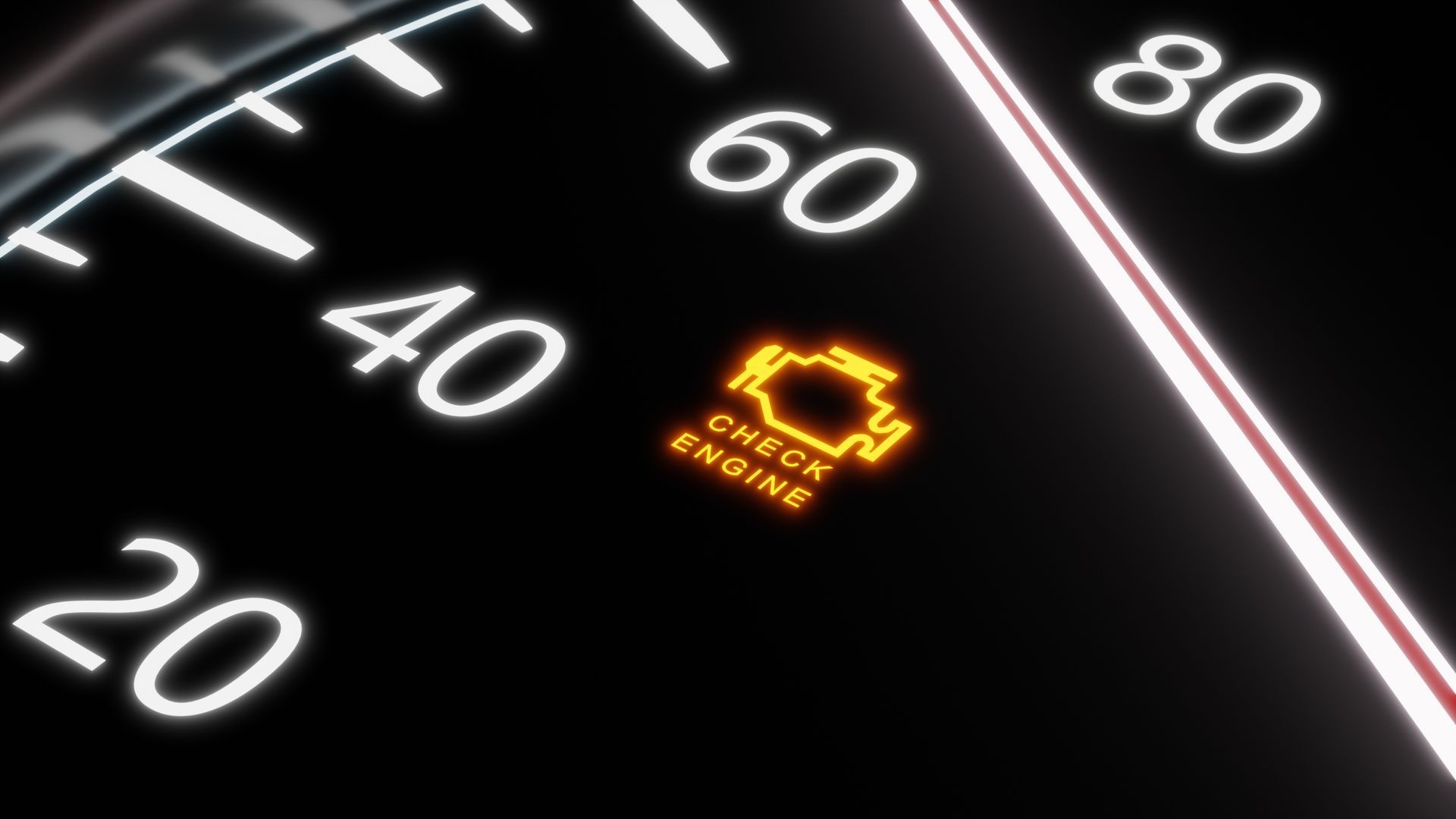
Newer vehicles are often designed with tighter engine tolerances, more efficient systems, and better oil management than older cars. Many also come equipped with oil life monitoring systems that track factors like mileage, temperature, driving patterns, and engine load. Instead of relying on a fixed schedule, these systems estimate when the oil is truly nearing the end of its useful life.
For many newer models, oil change intervals may range from 5,000 to 10,000 miles, and sometimes more, depending on the manufacturer and whether synthetic oil is required. That can be a great convenience for drivers, but it does not mean those vehicles are maintenance-free.
We still remind customers with newer cars that severe driving conditions can shorten oil life. Frequent short trips, heavy traffic, hot weather, towing, and stop-and-go driving can all wear oil down faster than highway cruising. Even with a modern oil-life monitor, it is wise to stay aware of how the vehicle is used.
Why Older Cars Often Need More Frequent Oil Changes
Older vehicles usually benefit from shorter oil change intervals, especially if they have high mileage. That does not automatically mean every older car needs fresh oil every 3,000 miles, but many do better with more frequent service than newer vehicles do.
As engines age, internal parts may no longer fit together as tightly as they once did. Seals can harden, small leaks may develop, and oil consumption may increase. Some older engines are also more prone to sludge or varnish buildup, especially if maintenance was inconsistent in the past. In those cases, waiting too long between oil changes can allow contaminants to build up, reducing the oil’s ability to protect the engine.
For owners of older cars, regular oil changes are about more than lubrication. They also provide a chance to keep an eye on the engine's health. Every service gives us an opportunity to check for leaks, unusual oil loss, changes in oil condition, and other early warning signs.
High-Mileage Engines Need A Different Mindset
One mistake we sometimes see is owners of older vehicles trying to stretch oil changes as long as possible to save money. We understand the thinking, especially when someone is trying to keep an aging car on the road without spending more than necessary. But delaying oil changes too often ends up costing more in the long run.
A high-mileage engine needs consistency. Even if it has a few quirks, burns a little oil, or has some age-related wear, clean oil helps reduce friction and heat while carrying away contaminants. Skipping or postponing service can accelerate wear on parts that are already working harder than they did when the car was new.
If your car has over 100,000 miles, the goal is not just to keep it running today. The goal is to help it stay dependable for as long as possible. Fresh oil is one of the simplest ways to support that.
Signs An Older Vehicle May Need Oil Changes Sooner
Older vehicles do not always give dramatic warnings, but there are a few signs that it may be wise to shorten the interval between services:
The engine burns oil, has minor leaks, runs hotter than usual, or sounds louder over time
The oil looks dirty quickly, the vehicle sees mostly short trips, or the service history has been inconsistent
These issues do not always mean something is seriously wrong, but they do suggest the engine may benefit from closer monitoring and more frequent maintenance.
Synthetic Vs. Conventional Oil In Older And Newer Cars
Oil type also plays a big role in service intervals. Most newer vehicles are designed for synthetic oil, which generally lasts longer and performs better under heat and stress. That is one reason many newer models can go longer between oil changes.
Older cars may use conventional, synthetic-blend, or full synthetic oil, depending on the engine design and condition. Some older vehicles do just fine on synthetic oil, while others may need a more customized recommendation based on mileage, leaks, or past maintenance habits. We do not believe in a one-answer-fits-all approach. The best oil for an older car depends on how the engine is aging and what will protect it best.
When we service an older vehicle, we assess the engine's condition and discuss how the car is used with the owner. That helps us recommend the right oil and a realistic interval that fits the vehicle.
Why Older Car Owners Should Not Rely On Guesswork
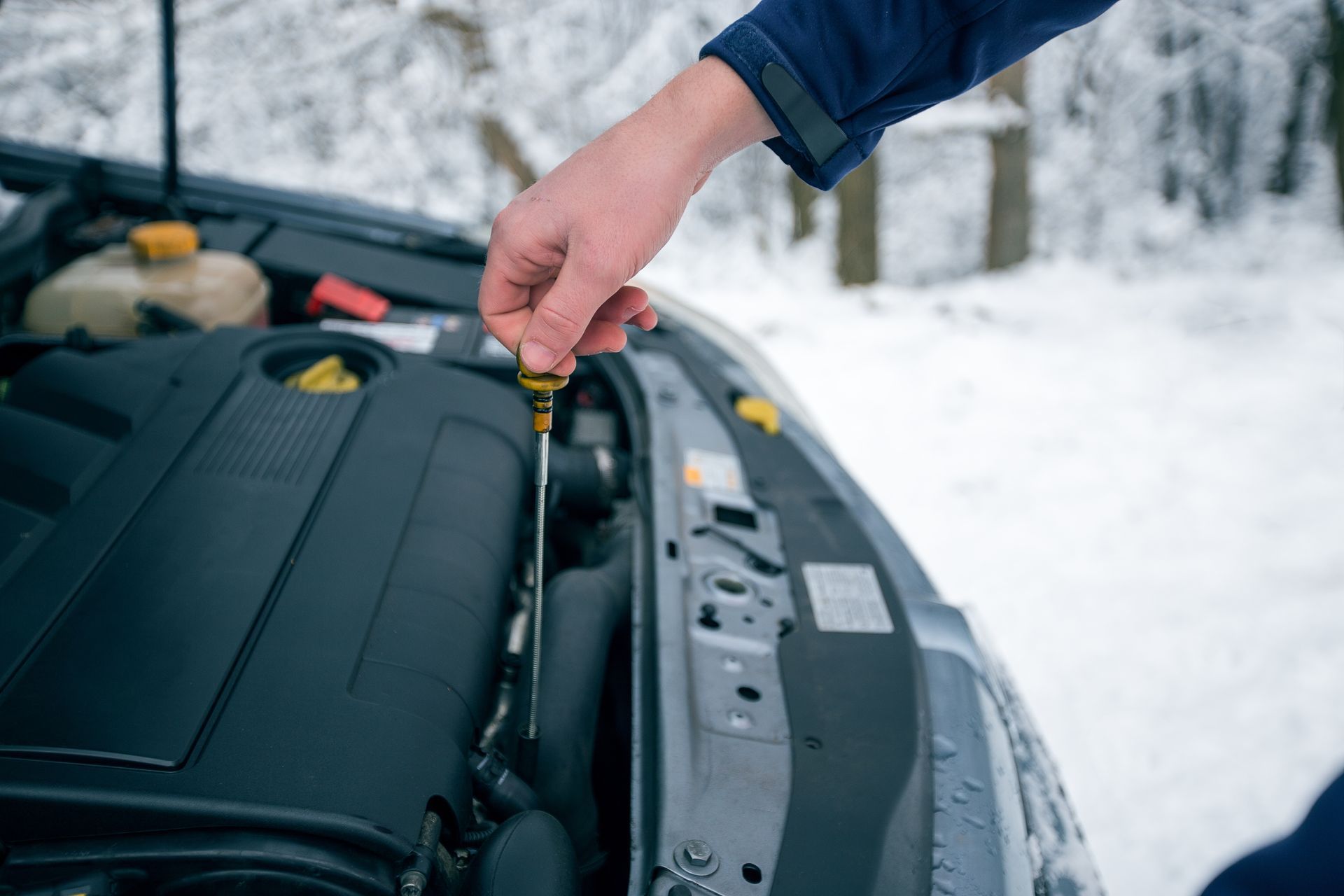
With newer cars, the dashboard often helps guide maintenance timing. Older vehicles may not offer that kind of support. Some do not have oil life monitors at all, and others may have warning lights that only come on after oil pressure becomes a concern. Waiting for a light is not a good strategy.
Older car owners are usually best served by a scheduled approach. Keeping track of mileage, months between services, oil level, and overall engine behavior can make a huge difference. It is one of the easiest habits that helps prevent breakdowns and unexpected repairs.
We often tell drivers of older cars that maintenance has to become a little more intentional. That does not mean the vehicle is unreliable. It just means it needs a little more attention than a brand-new model.
The Best Way To Protect An Older Vehicle
If you own an older car, regular oil service is one of the most practical ways to extend engine life. It helps reduce wear, manage heat, limit sludge buildup, and catch problems early. Even a vehicle that has been dependable for years can develop problems more quickly when oil changes are pushed too far apart.
Newer models may give drivers more flexibility, but older vehicles usually reward consistency. A well-maintained older car can stay on the road for a long time when it gets the care it needs at the right time.
Schedule an Oil Change at Gibbon Tire and Auto
At our shop, we help drivers build maintenance plans that make sense for their specific vehicle, whether it is a newer model with synthetic oil or a trusted older car with plenty of miles behind it. If you are not sure how often your vehicle should get an oil change, let us help.
Bring your car to
Gibbon Tire and Auto
in Charlotte, NC, and we will recommend the right oil and service interval to keep your engine protected. Call us today or stop by Gibbon Tire and Auto to schedule your next oil change.