Wheel Alignment Services Vs. Tire Balancing: What Drivers Should Know

May 29, 2026

A steering wheel shake and a car that pulls to one side can feel like the same kind of problem. Both make the vehicle feel off, and both can make drivers worry about their tires. The repair, though, is not always the same.


Wheel alignment services and tire balancing solve different issues. They are both connected to how the vehicle drives and how the tires wear, but they focus on different parts of the problem. Knowing the difference can help you explain the symptom more clearly when you bring the car in.


What Wheel Alignment Services Do


Wheel alignment services adjust the angles of the wheels so the tires meet the road correctly. Those angles affect steering, tire wear, and how straight the vehicle tracks. When the alignment is off, the tires can drag slightly instead of rolling cleanly.


You might notice the car pulling left or right, the steering wheel sitting off-center, or the tires wearing more on one edge. Sometimes the vehicle still feels fairly normal, but the tread pattern tells a different story. Our technicians check those angles and adjust them back to the proper range when the suspension parts are solid enough to hold the setting.


What Tire Balancing Does


Tire balancing corrects weight differences in the tire and wheel assembly. Even a good tire and wheel can have small heavy spots. When that weight is uneven, the tire can shake as it spins, especially at higher speeds.


Balancing adds small weights to the wheel to make it rotate more evenly. If the steering wheel shakes around highway speed or the seat vibrates at certain speeds, tire balance is high on the list. A balance problem is not the same as an alignment problem, even though both can make the drive feel unpleasant.


Pulling Usually Points Toward Alignment


If the car drifts or pulls on a straight road, alignment is one of the first things to consider. A steering wheel that sits crooked while the vehicle is driving straight is another strong clue. That means the wheel angles are not lined up the way they should be.


Pulling can also be caused by tire pressure, tire wear, brake drag, or suspension damage, so it still needs an inspection before the vehicle is adjusted. If a control arm, tie rod, ball joint, or bushing is worn, the alignment may not stay correct after adjustment. That is why we check the suspension before treating the problem like a simple alignment job.


Vibration Usually Points Toward Tire Balance


A vibration that appears at certain speeds often points to tire balancing. Many drivers feel it most at highway speeds. The wheel may shake, the floor may buzz, or the seat may vibrate, then the feeling may change as speed changes.


A balance issue can happen after new tires are installed, after a tire repair, or as tires wear. It can also show up if a wheel weight falls off. Bent wheels, tire damage, and uneven wear can look similar, so the tire and wheel should be checked carefully before balancing is blamed in isolation.


Uneven Tire Wear Can Involve Both


Tire wear can be tricky because alignment and balance can both affect the tire, but in different ways. Alignment problems often create edge wear, feathering, or one tire wearing faster than the others. Balance problems can contribute to vibration and patchy wear if the tire keeps bouncing slightly at speed.


Suspension wear can add another layer. Worn shocks, struts, bushings, or steering parts can change tire contact with the road. During regular maintenance, a tire wear check can reveal these patterns before the set wears out too soon.


When You Might Need Both Services


Some vehicles need alignment and balancing during the same visit. For example, if you buy new tires and the old set showed uneven wear, balancing the new tires is not enough. The alignment should be checked so the new tires do not begin wearing the same way.


The opposite can happen, too. If the alignment is corrected but a vibration remains at highway speed, tire balancing may still be needed. These services work together, but none replace the others. The goal is to match the service to the tire, wheel, and suspension condition.


Why Waiting Can Cost More


A car that pulls, shakes, or wears tires unevenly is not going to correct itself. The longer it is driven that way, the more money can be lost through tire wear. A small alignment issue can ruin the inside edge of a tire. A balance issue can worsen the ride and put extra stress on related parts.


If the vehicle feels different after hitting a pothole, curb, or rough stretch of road, it is smart to have it checked. Catching the cause early can protect the tires and make the vehicle feel more stable again.


Get Wheel Alignment And Tire Balancing In Charlotte, NC, With Gibbon Tire and Auto


If your vehicle pulls, vibrates, or shakes at highway speed, or if your tires wear unevenly, Gibbon Tire and Auto in Charlotte, NC, can check the alignment, balance, tires, and suspension to find the right fix.


Bring it in before a small tire or steering issue shortens the life of the tire set.
Oil Change Intervals For Older Cars Vs. Newer Models | Gibbon Tire and Auto
April 30, 2026
Learn the right oil change intervals for older cars vs. newer models and how Gibbon Tire and Auto in Charlotte, NC, helps protect high-mileage engines.
Why Should You Get A Brake Inspection When Getting New Tires? | Gibbon Tire and Auto
March 27, 2026
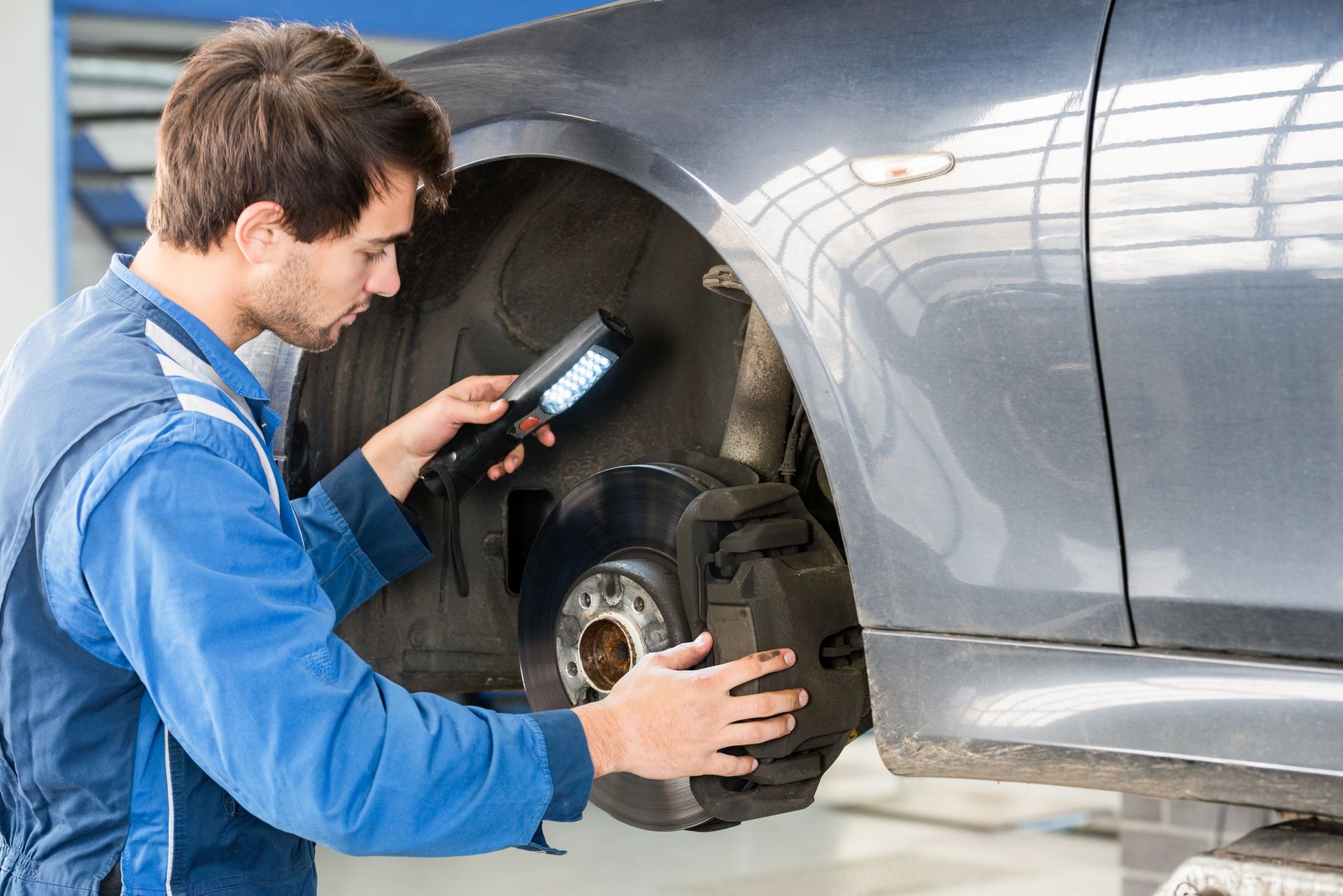
Gibbon Tire and Auto in Charlotte, NC, explains why brake inspections matter when getting new tires.
White electric car charging, yellow cable plugged in.
February 27, 2026
Hybrid vehicles offer efficiency and innovation, but many drivers don’t realize the systems and services they require. Learn what to know from Gibbon Tire & Auto.
Why Does My Steering Wheel Shake When I Hit The Brakes? | Gibbon Tire and Auto
January 30, 2026
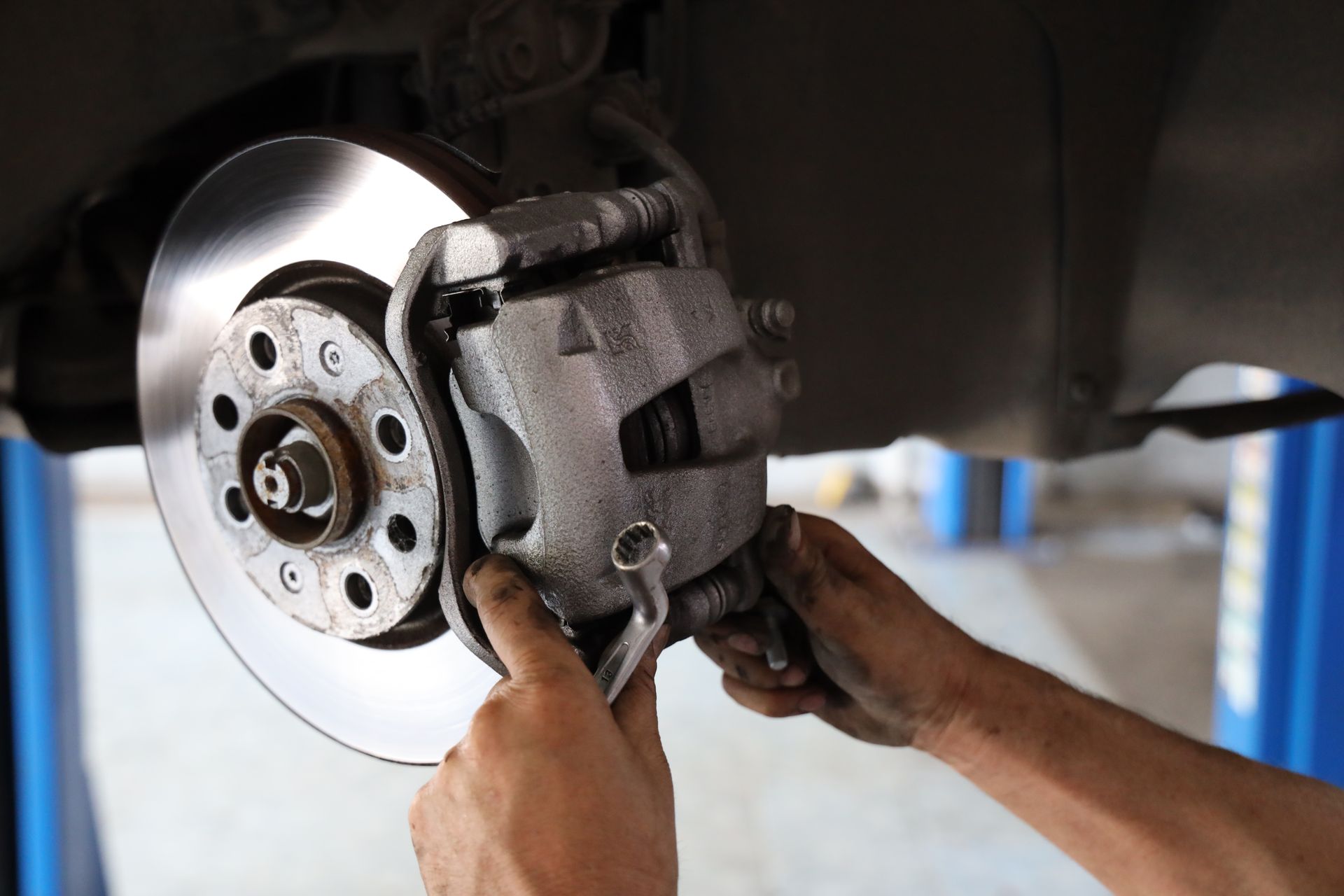
Gibbon Tire and Auto in Charlotte, NC, explains why a steering wheel shakes when you hit the brakes and which brake parts are usually at fault.
5 Maintenance Tasks You Should Do Before Driving in Freezing Temps | Gibbon Tire and Auto
December 19, 2025
Gibbon Tire and Auto in Charlotte, NC, shares five maintenance tasks to complete before driving in freezing temperatures.
Why Is My Car Idling Rough? | Gibbon Tire and Auto
November 28, 2025
Why Is My Car Idling Rough? | Gibbon Tire and Auto
Why Does My Car Feel Unstable And Bouncy While Driving? | Gibbon Tire and Auto
October 31, 2025
Gibbon Tire and Auto in Charlotte, NC, explains how worn shocks, struts, or tires can cause your ride to feel loose or bouncy.
What Does It Mean When the Traction Control Light Turns On? | Gibbon Tire and Auto
September 26, 2025
Gibbon Tire and Auto in Charlotte, NC, shares what it means when the traction control light turns on and how it affects your driving safety.
How Do I Know My Car Can Handle a Road Trip? | Gibbon Tire and Auto
August 29, 2025
There is nothing like hitting the open road for a long trip, but before you set out, it is important to make sure your vehicle is ready for the journey. A road trip can mean hours of driving at highway speeds, often far from repair shops. The last thing you want is a breakdown that could have been prevented with a little preparation. Knowing whether your car is ready for a road trip comes down to inspecting a few key systems and looking for early signs of trouble. Start With Routine Maintenance If you are due for an oil change or other basic maintenance, take care of it before your trip. Fresh oil helps your engine run cooler and more efficiently, which is especially important when driving long distances. Check your owner’s manual to see if other services, such as replacing the air filter or rotating the tires, are due soon. Doing them before your trip can save you from having to deal with them while you are away from home. Check the Cooling System Long highway drives can put extra stress on your cooling system , especially in warm weather. Make sure your coolant level is correct and that the fluid looks clean. Coolant that is rusty or cloudy should be flushed and replaced. Inspect hoses for cracks, bulges, or leaks, and check that the radiator cap is in good condition. A weak cooling system can quickly lead to overheating, which can ruin your trip and your engine. Inspect Your Tires Your tires are your only contact with the road, so they must be in good shape before a trip. Check for adequate tread depth and look for any signs of uneven wear, bulges, or embedded objects. Uneven wear can signal alignment or suspension problems that should be fixed before you leave. Proper tire pressure is equally important. Underinflated tires can overheat and wear out quickly, while overinflated tires can reduce traction and make the ride less comfortable. Be sure to check your spare tire too—it will not help you if it is flat when you need it. Test the Brakes Your brakes should be responsive and quiet. If you hear squealing, grinding, or feel vibrations when braking, have them inspected right away. Even if you have not noticed problems, it is a good idea to have the brake pads and rotors checked before a long drive. Also, check your brake fluid level and condition. Low or dirty fluid can affect braking performance. If your brake fluid is dark or has not been changed in several years, replacing it before your trip can improve safety. Evaluate the Battery and Electrical System A weak battery can turn a fun trip into a frustrating delay. Have your battery tested to make sure it is holding a strong charge, especially if it is more than three years old. Corroded battery terminals should be cleaned to ensure a solid connection. Verify that all lights, including headlights, brake lights, turn signals, and interior lights, are functioning properly. Good visibility is essential for safe driving day and night. Look Over Belts and Wipers Inspect your engine belts for cracks, fraying, or signs of excessive wear . A broken belt can disable your vehicle and may be difficult to replace on the road. Make sure your windshield wipers are in good condition and that your washer fluid is topped up. Clear visibility is critical when driving in changing weather conditions. Pack an Emergency Kit Even a well-prepared vehicle can encounter unexpected problems. Packing a simple emergency kit can make a big difference if something happens far from help. Include jumper cables, a flashlight, a tire repair kit or inflator, basic tools, bottled water, and snacks. It is also a good idea to bring a phone charger that works in your car and a paper map in case you lose cell service. Take a Short Test Drive Before the Trip Before your road trip, take your car for a local drive at both city and highway speeds. Listen for unusual noises, check for vibrations, and pay attention to how it accelerates and brakes. A brief test drive can reveal issues that may not be apparent during everyday commuting. If you notice anything unusual, have it checked before your trip begins. Road Trip Readiness at Gibbon Tire and Auto in Charlotte, NC If you want complete peace of mind before your next road trip, bring your vehicle to Gibbon Tire and Auto in Charlotte, NC. Our team will perform a thorough pre-trip inspection, checking all major systems to make sure your car is safe, reliable, and ready for the miles ahead. We will help you prevent problems before they start so you can enjoy your journey with confidence.
What Are the Symptoms of a Bad Wheel Bearing? | Gibbon Tire and Auto
July 25, 2025
Gibbon Tire and Auto in Charlotte, NC, explains the symptoms of a failing wheel bearing and why quick repair is important for safety.