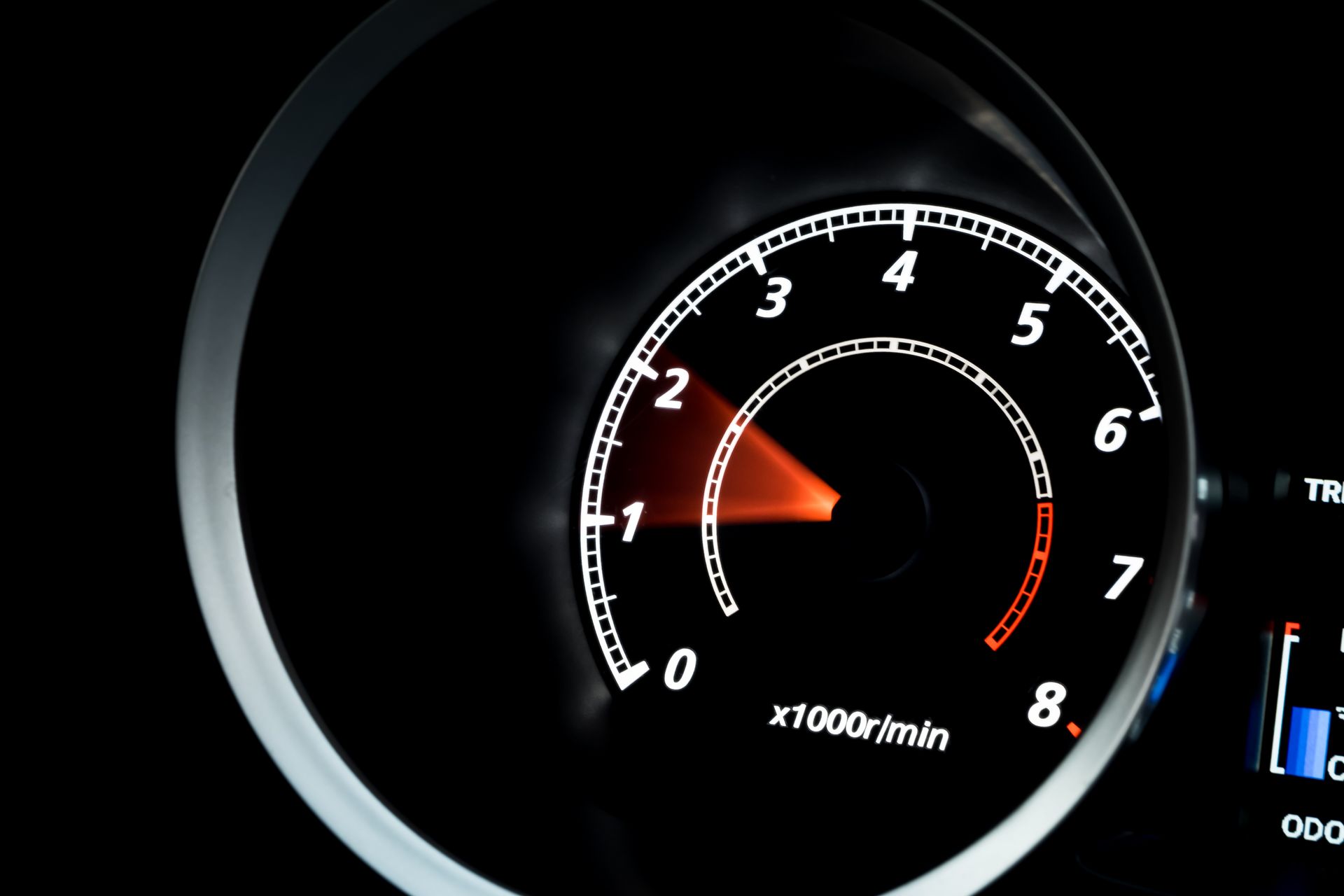
A check engine light can be confusing when nothing feels wrong. The car starts and accelerates normally, and it makes no strange noises. The warning is there on the dashboard, but the vehicle seems to be acting as if nothing happened.
That is exactly why many drivers keep going. Sometimes that is fine for a short time. Other times, the light warns of a problem that can damage the catalytic converter, waste fuel, or lead to a larger repair if ignored. The difference depends on what kind of warning you are seeing and what caused it.
A Steady Light Usually Means Get It Checked Soon
A steady check engine light does not always mean you need to pull over immediately. If the car feels normal, the temperature is stable, there is no smoke, and the light is not flashing, short local driving may be possible.
That does not mean the light should be ignored. A steady light means the engine computer detected a fault. The issue could be a small EVAP leak, loose fuel cap, sensor problem, thermostat issue, fuel mixture concern, ignition wear, or emissions system fault. Some of those will not change how the vehicle feels right away.
The safest plan is to schedule diagnostics as soon as possible. The vehicle may be compensating for the problem now, but that does not guarantee it will keep doing so.
A Flashing Check Engine Light Is Different
A flashing check engine light is more urgent than a steady one. It often points to a severe misfire. A misfire means one or more cylinders are not burning fuel correctly. When unburned fuel reaches the exhaust, it can overheat and damage the catalytic converter.
Catalytic converter repairs can be expensive, and they are sometimes caused by driving too long with a misfire. If the light flashes, especially if the engine shakes, loses power, smells like fuel, or runs rough, it is best to stop driving and have the vehicle checked as soon as possible.
A car that feels fine with a steady light is one situation. A flashing light should be treated like a much stronger warning.
The Car Can Feel Fine While Fuel Economy Drops
Some check engine light causes do not make the car shake or stall. Instead, they affect how efficiently the engine uses fuel. Oxygen sensors, mass airflow sensors, coolant temperature sensors, thermostats, fuel trim problems, and small air leaks can all change fuel economy.
The driver may only notice that the fuel tank empties faster. The engine computer may add extra fuel to protect the engine or to correct bad sensor information. The car still drives, but it may be wasting fuel every mile.
Running too rich for too long can also damage spark plugs, oxygen sensors, and catalytic converters. The problem may seem minor, but the cost can escalate if left alone.
Small Emissions Problems Can Still Matter
A check engine light can come on for an EVAP system issue. The EVAP system controls fuel vapors from the fuel tank so they do not vent into the air. A loose gas cap, cracked hose, purge valve issue, or leak in the vapor system may not affect how the car drives.
That is why EVAP codes are easy to dismiss. The vehicle feels normal, so the warning seems unimportant. Still, the system is monitored for a reason, and the light can keep the vehicle from passing emissions testing where required.
EVAP problems can also get worse if valves stick or leaks grow. A proper inspection helps separate a simple cap issue from a vapor system part that actually needs repair.
Maintenance Problems Can Hide Behind A Normal Drive
A vehicle can drive normally with worn spark plugs, a dirty air filter, weak ignition coils, old sensors, or a thermostat that is not keeping the engine at the correct temperature. At first, the engine computer may make adjustments and keep the car feeling acceptable.
Eventually, those small problems may show up as hard starts, rough idle, poor fuel economy, hesitation, or a stronger warning. Regular maintenance helps prevent some of those check engine light causes before they become drivability problems.
Service history matters during diagnostics. If the spark plugs are overdue, the air filter is dirty, or the vehicle has been losing coolant or oil, those details help explain why the light may have come on.
Why Clearing The Light Does Not Fix The Problem
Some drivers clear the code or disconnect the battery to turn the light off. That may make the dashboard look better for a while, but it does not repair the cause. If the problem is still there, the computer will usually detect it again.
Clearing codes can also erase useful information. Freeze frame data can show what was happening when the fault appeared, such as engine temperature, speed, load, fuel trim, and RPM. That information can help identify the cause more quickly.
A code scan is helpful, but it is only the first step. The code points to a system or condition. Testing confirms which part or problem is actually responsible.
When You Should Stop Driving
A steady light with no symptoms should still be checked soon, but certain signs mean you should take the warning more seriously.
- The check engine light is flashing, which often indicates a severe misfire that could damage the catalytic converter.
- The engine shakes or runs rough, which means one or more cylinders may not be firing correctly.
- The temperature gauge climbs, which can point toward overheating or cooling system trouble.
- The oil pressure warning appears, which is much more serious than a normal service reminder.
- The car loses power, smells like fuel, smokes, or develops a new knocking sound, which may indicate the problem is no longer minor.
If any of these happen, continuing to drive can make the repair worse.
Get Check Engine Light Diagnostics In Charlotte, NC, With Gibbon Tire and Auto
If your check engine light is on but your car still feels fine, Gibbon Tire and Auto in Charlotte, NC, can scan the codes, test the related systems, and explain what caused the warning.
For check engine light diagnostics before a small issue becomes a larger repair,
contact us to schedule an appointment.