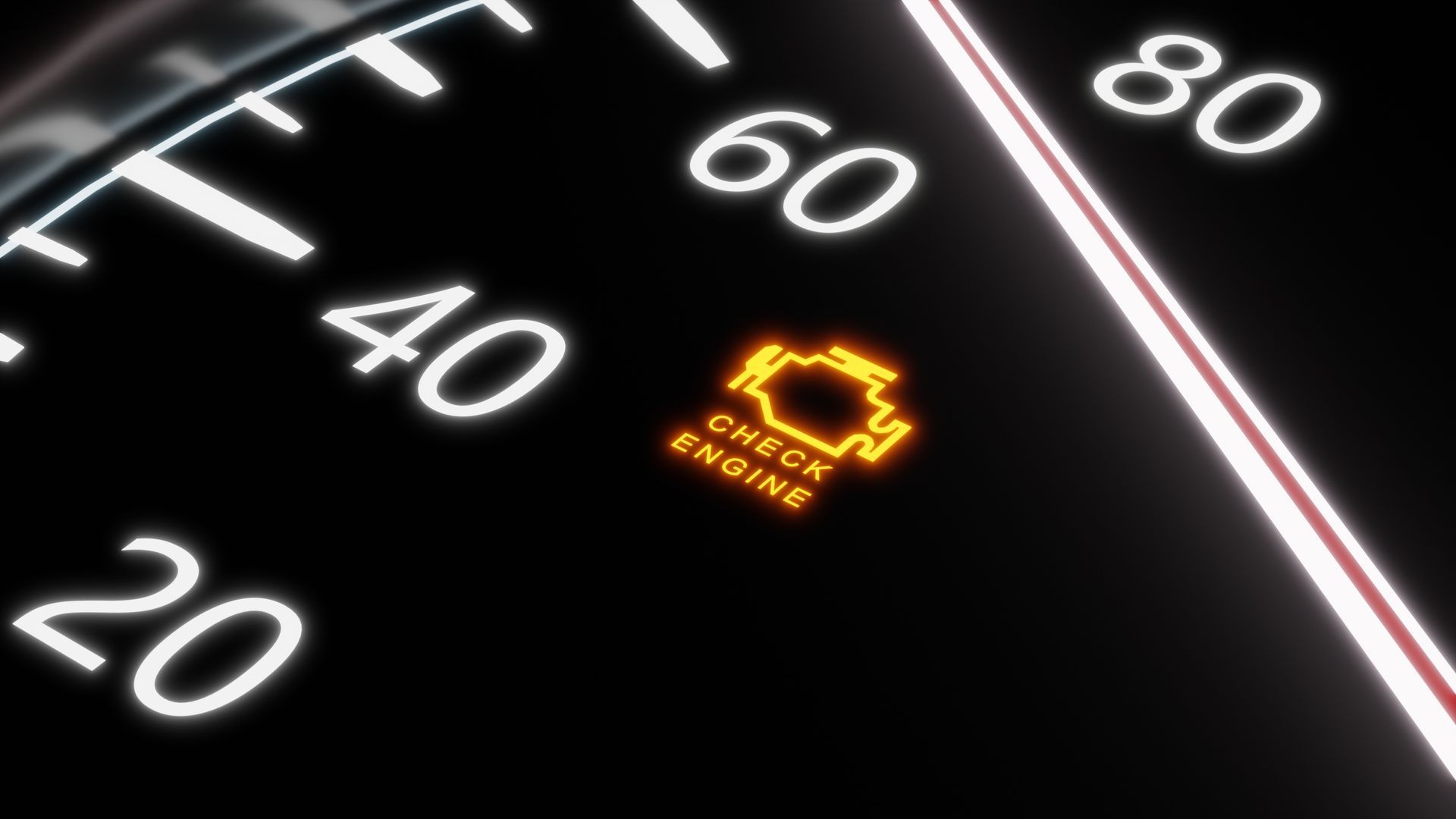
The first chilly morning arrives, and the tire pressure light appears before you've left the driveway. Yesterday, the tires looked fine. Today, the dashboard says something has changed. Often, colder air is part of the explanation, but a temperature drop doesn't rule out a puncture or another leak.
The next step is to check the actual pressures and tire condition. Around Charlotte, a shift from a warm afternoon to a cold overnight low can reveal tires already close to the warning threshold. Understanding the relationship between temperature and pressure helps you adjust them correctly without dismissing a developing problem.
Colder Air Lowers Tire Pressure Without A Puncture
Air pressure changes with temperature. As the air inside a tire cools, its pressure decreases even if no air escapes through damage. A rough guide is about one PSI for a ten-degree Fahrenheit temperature change, although the actual change depends on the starting pressure and conditions.
That is why several tires can show a similar reduction after the same cold night. It also explains why the light may appear seasonally. The temperature effect is real, but it doesn't make low pressure harmless. The tire still needs to be adjusted to the vehicle's specified cold pressure so it can carry its intended load correctly.
The TPMS Light Signals A Tire Pressure Or System Concern
A tire pressure monitoring system warns when the monitored conditions indicate low inflation or a system problem. Some vehicles measure pressure directly through wheel sensors. Others infer changes using wheel behavior. The display, warning pattern, and required follow-up vary with the vehicle and system.
Read the owner's manual for the light's meaning. On many vehicles, flashing followed by a steady light can indicate a monitoring-system fault, while a steady low-pressure warning has a different meaning. Don't assume every warning means a nail, and don't assume a sensor fault makes the tire pressures irrelevant. Check the tires even when the electronics need service.
Use The Vehicle's Cold Tire Pressure Recommendation
Find the tire-loading placard, usually near the driver's door opening, or consult the owner's manual. It specifies the pressures appropriate for the vehicle's approved fitment and loading instructions. Front and rear values can differ, and special loading conditions may have additional guidance.
The maximum pressure molded into a tire's sidewall is not the everyday target. Filling to that number can produce unsuitable inflation for your car. Replacement tires also need compatible specifications. If the fitment has changed, ask the shop to confirm the proper pressure guidance rather than improvising from the tire size alone.
Check Tire Pressure Before Driving Warms The Tires
For an accurate cold reading, check before driving or after the vehicle has rested for the period specified by the manufacturer. Driving warms tires and can raise their pressure. Direct sunshine can also affect a tire that has been sitting, making comparable measurement conditions useful.
Don't release air from normally warmed tires simply because the reading is above the cold placard value. Recheck when cold and adjust using the specified procedure. If a tire is substantially low, damaged, or behaving abnormally, address it before continuing the trip rather than driving long enough for its pressure to rise.
A Light That Goes Out Can Still Leave Tires Underinflated
The warning can disappear as tires warm and pressure rises above the system's alert threshold. That doesn't necessarily mean they meet the recommended cold value. The system's threshold and the placard recommendation serve different purposes, so the dashboard isn't a precise inflation gauge for every situation.
Check all tires with a suitable gauge and compare the results with the vehicle's requirements. Include the spare when its design and access allow, since it may not be monitored. Record the readings if the same tire keeps needing air. A repeated pattern is more useful than noticing only whether the light is on during a particular drive.
Different Tire Pressure Patterns Can Reveal A Leak
When one tire loses more pressure than the others, or continues falling after adjustment, a leak deserves inspection. Possible sources include a puncture, valve problem, wheel damage, or a poor seal at the tire's bead. The location and condition determine whether repair is appropriate.
Watch for these clues:
- One tire consistently reading lower than the rest.
- Pressure falling again soon after correct inflation.
- A nail, cut, bulge, or other visible damage.
- New vibration, pulling, or an unusual tire sound.
Do not remove an embedded object just to see whether air escapes. Have the tire assessed, and avoid driving on a visibly low or damaged tire. The inspection should confirm both the leak source and whether the tire remains suitable for service.
TPMS Resets Should Follow Correct Tire Inflation
Some vehicles require a calibration or reset after pressures are set, tires are rotated, or wheels are changed. Others update after a specified drive or use a separate sensor-learning procedure. Follow your model's manual rather than applying a reset sequence from another vehicle.
A reset should not be used to hide incorrect pressure. Direct sensors can also have battery or communication faults that need checking. The shop can distinguish a tire concern from a monitoring problem and explain what the system requires after the work, including which readings or warnings you should expect afterward.
Make Seasonal Tire Pressure Checks A Habit
Check pressures regularly and when temperatures change substantially, especially before a long drive or carrying additional load. Inspect tread and sidewalls at the same time. Correct inflation supports predictable handling and helps avoid wear patterns that can develop when pressure stays unsuitable.
If the warning keeps returning, bring the vehicle in with your recent readings and the dates you added air. Tell the shop whether the light flashes, appears only after parking, or stays on throughout driving. That information helps connect the pressure pattern with the tire condition and the monitoring system's operation.
Get Tire And TPMS Service In Charlotte, NC
Gibbon Tire and Auto in Charlotte, NC, can check low tire pressures, recurring air loss, tire damage, and TPMS warnings. We can explain whether your vehicle needs an inflation adjustment, tire repair or replacement, or attention to its monitoring equipment.